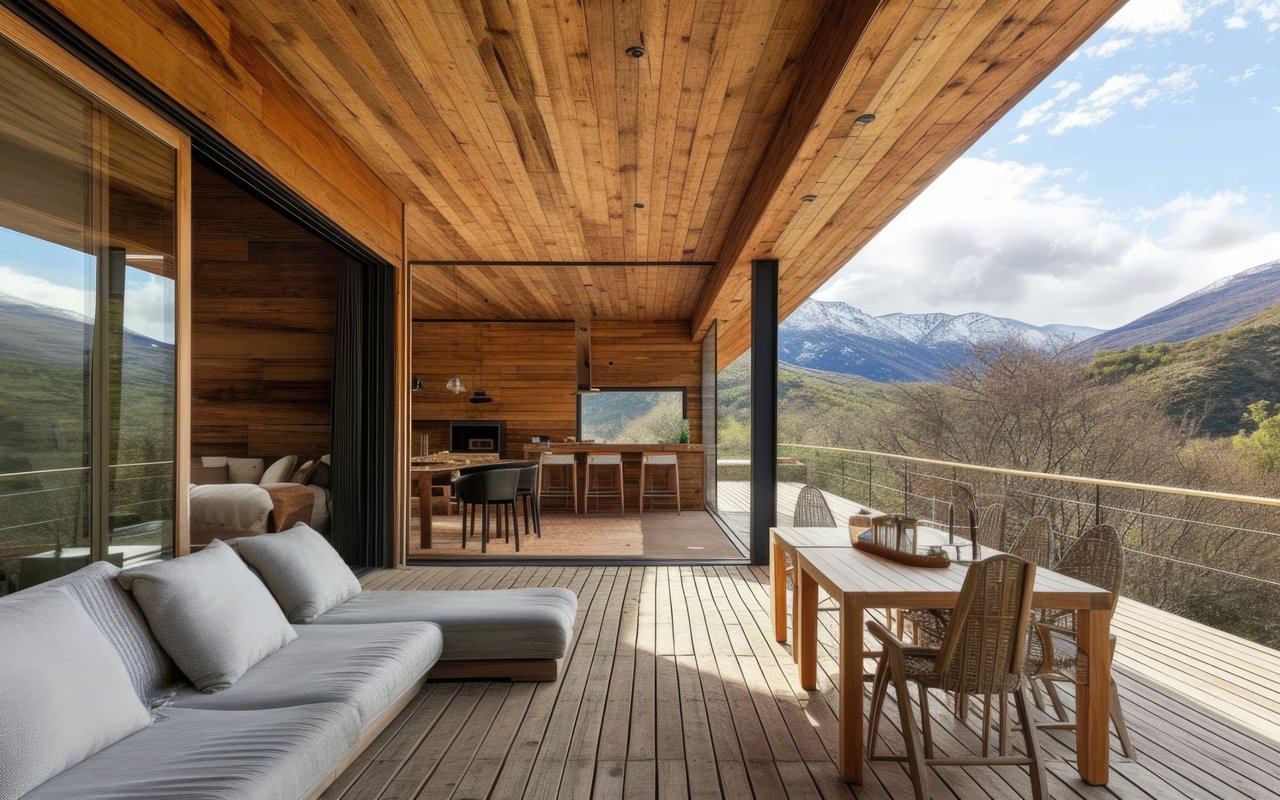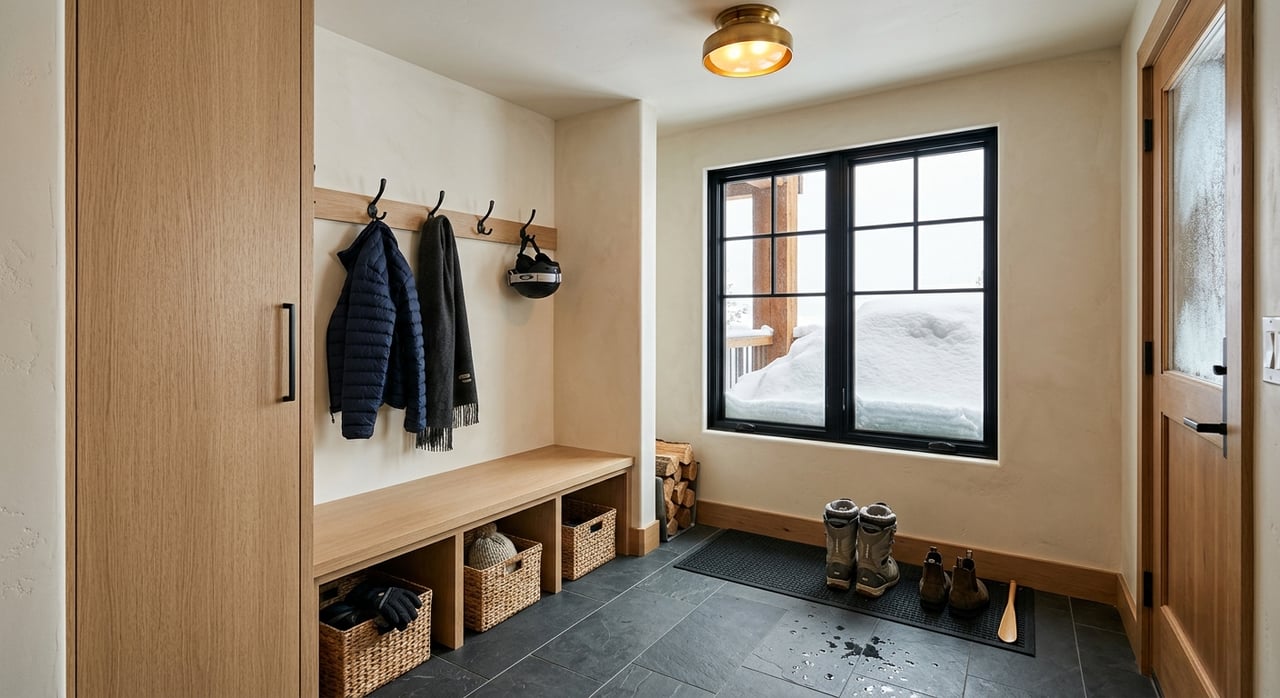
If you picture ski condo ownership as an easy lock-and-leave lifestyle, Snowmass Village comes close, but the day-to-day reality is more specific than many buyers expect. You are not just buying a place near the slopes. You are buying into a resort rhythm shaped by lift schedules, shuttle routes, HOA rules, seasonal demand, and, in some cases, short-term rental requirements. If you are considering a Snowmass condo, understanding that ownership experience upfront can help you choose the right building and budget with more confidence. Let’s dive in.
Daily Life in Snowmass Village
Owning a ski condo in Snowmass Village often means living a car-light lifestyle. Snowmass is about 9 miles from Aspen and roughly 15 minutes from Aspen/Pitkin County Airport, and the village is designed around easy resort access. According to Snowmass Tourism, the community offers 95% slopeside lodging and more than 30 restaurants, which helps make daily life more walkable and resort-focused.
During ski season, your routine may revolve around the mountain’s operating hours. For the 2025/26 season, Snowmass is scheduled to run from November 27, 2025 through April 12, 2026, with lifts operating from 9:00 a.m. to 3:30 p.m. The Sky Cab gondola and seasonal operating details also show how easy it is to move between the Snowmass Mall and Base Village without driving.
You also have practical transit options built into village life. Snowmass Village operates a free shuttle system with eight routes, including service between Snowmass Center and the Village Mall every 10 minutes from 7:10 a.m. to 12:30 a.m. Year-round RFTA bus service also connects Snowmass with Aspen and the rest of the valley, while Snowmass Tourism notes that Uber and Lyft are not a dependable primary transportation option.
A Four-Season Ownership Experience
Snowmass Village is not only about winter weekends. The village sits at the entrance to a trail system with more than 90 miles of hiking, biking, and equestrian trails, which gives condo owners another strong reason to use their property outside ski season. Summer and shoulder-season programming also includes concerts, festivals, disc golf, ice rinks, a recreation center, and a year-round clinic, based on information from Snowmass Tourism.
The setting itself shapes how ownership feels. Snowmass has a base elevation of 8,604 feet and a summit of 12,510 feet, with dry air, strong sun, low humidity, and an average of about 300 inches of snow each winter. Snowmass Tourism also highlights 300 sunny days a year, which helps explain why many owners see their condo as both a ski property and a warm-weather mountain base.
Resort Access Is a Real Advantage
One of the biggest lifestyle benefits of owning in Snowmass is how easy it can be to get on the mountain. Aspen Snowmass identifies Snowmass as the largest of its four mountains, and one lift ticket gives access to more than 5,700 acres across Snowmass, Aspen Mountain, Aspen Highlands, and Buttermilk, as noted on the Snowmass community overview. For you as an owner, that means your condo can serve as a convenient launch point for a broader mountain experience, not just one ski area.
That convenience can change how often you actually use the property. Instead of planning around parking, loading gear, or driving from farther down valley, you may be able to walk, shuttle, or gondola your way into the day. For many second-home buyers, that ease of use is a major part of the value.
Condo Amenities Vary by Building
Not every Snowmass condo offers the same ownership experience. Some properties feel like classic self-catered condos, while others operate more like serviced resort lodging. Official lodging examples in Snowmass show that amenities can include ski-in/ski-out access, kitchens, fireplaces, in-unit laundry, pools, hot tubs, parking, ski lockers, front desk service, concierge support, housekeeping, and shuttle or airport pickup, as shown in lodging examples such as The Enclave.
That variation matters when you are comparing properties. One building may offer a more private, low-service setup, while another may provide a more hotel-like experience with centralized management. If you want a true lock-and-leave second home, the amenity package and management structure can be just as important as the unit itself.
HOA Rules Matter More Than Many Buyers Expect
In Snowmass Village, a condo purchase usually means HOA governance plays a central role in ownership. Under Colorado’s Common Interest Ownership Act, associations generally handle common-element maintenance, repair, and replacement, while owners are typically responsible for the interior of the unit unless governing documents say otherwise. The Colorado Division of Real Estate’s HOA FAQ guidance also explains that associations adopt annual budgets, may levy special assessments for certain repairs or projects, and must maintain reserve-fund policies.
For a mountain condo, that framework is important. Exterior upkeep, roof systems, snow-related wear, parking areas, shared amenities, and building systems often fall into the association side of the equation. That can simplify some aspects of ownership, but it also means your monthly dues, reserve planning, and the association’s financial health have a direct effect on your experience.
Before you buy, it is wise to review:
- HOA budgets
- Reserve policies
- Special assessment history
- Parking rules
- Rental rules
- Any restrictions tied to building operations or management
A condo may look turnkey on the surface, but the HOA documents often tell you what ownership will really feel like over time.
Costs Go Beyond the Purchase Price
Snowmass condo ownership comes with several ongoing and one-time costs that buyers should plan for early. Property taxes in Pitkin County are based on actual value, assessment rate, and mill levy, and those final numbers can vary from one condo to another. The Pitkin County Assessor notes that for 2026, residential assessment rates are 7.05% for school-district residential and 6.8% for local-government residential property.
There is also a local transfer cost to consider. Snowmass Village charges a 1% real estate transfer tax on transfers within town limits, and the purchaser pays that amount at closing, according to the town’s real estate transfer tax page. For resort buyers, this is an important line item to add to your closing-cost planning.
On top of that, HOA dues and possible future assessments can significantly affect the total cost of ownership. In a mountain setting, shared building maintenance can be substantial, so it is important to evaluate the full ownership picture, not just the list price.
Renting Your Condo Adds Another Layer
If you plan to short-term rent your Snowmass condo, you will need to understand local rules before you buy. Snowmass Village defines short-term rentals as stays of fewer than 30 consecutive days and requires both a business license and a short-term rental permit. The town’s short-term rental information states that the current permit fee is $400 and that HOA approval must be verified if the property is within an association.
The same town resource also notes current tax obligations tied to short-term rentals, including sales tax of 10.65% and lodging tax of 13.05%. That means rental income can come with meaningful compliance requirements, and not every building handles rentals in the same way.
This is where building structure matters again. The town distinguishes among hotel or lodge properties, multi-family properties with centralized management, and individually managed units. If rental flexibility is part of your purchase strategy, you will want to confirm both the town rules and the HOA rules before moving forward.
What Ownership Often Feels Like
At its best, owning a ski condo in Snowmass Village feels convenient, scenic, and highly usable. You may spend winter mornings walking to the lift, summer days on nearby trails, and evenings moving around the village by shuttle or gondola instead of dealing with long drives. For many buyers, that easy access is the main reason to own here rather than simply visit.
The tradeoff is that this is resort ownership, not just condo ownership. Your experience is influenced by association governance, seasonal traffic patterns, mountain-weather maintenance, local taxes, and possibly short-term rental compliance. When you go in with clear expectations, those moving parts are easier to evaluate and plan around.
If you are weighing condo options in Snowmass Village, working with a local advisor can help you compare buildings, review HOA and rental considerations, and understand how each property fits your goals. To talk through Snowmass ownership with clear, local guidance, connect with Monica Viall.
FAQs
What is daily transportation like for ski condo owners in Snowmass Village?
- Snowmass Village offers a free shuttle system with eight routes, the Sky Cab gondola between the Snowmass Mall and Base Village, and year-round RFTA bus service to Aspen and the rest of the valley, which makes ownership relatively car-light.
What amenities do Snowmass Village ski condos usually include?
- Amenities vary by building, but official lodging examples show common features such as ski-in/ski-out access, kitchens, fireplaces, in-unit laundry, pools, hot tubs, parking, ski lockers, housekeeping, concierge service, and shuttle or airport pickup.
What HOA issues should buyers review before buying a Snowmass Village condo?
- You should review the HOA budget, reserve policy, any history of special assessments, rental rules, parking rules, and the association’s overall maintenance responsibilities before deciding on a property.
What taxes and fees apply when buying a condo in Snowmass Village?
- Buyers should plan for Pitkin County property taxes, which depend on value, assessment rates, and mill levies, plus Snowmass Village’s 1% real estate transfer tax paid by the purchaser at closing.
What are the short-term rental rules for Snowmass Village condos?
- Short-term rentals of fewer than 30 consecutive days require a business license and an STR permit from Snowmass Village, and the town also requires verification of HOA approval when the property is in an association.
Is owning a ski condo in Snowmass Village only useful in winter?
- No. Snowmass is a four-season destination with more than 90 miles of hiking, biking, and equestrian trails, along with concerts, festivals, disc golf, ice rinks, and other year-round amenities and activities.