Ever wish you could grab coffee, run a few errands, stop by the library, and take a trail walk without turning every outing into a driving loop? In Carbondale, that idea is more realistic than many buyers expect, but it comes with a mountain-town twist. If you are exploring whether this part of the Roaring Fork Valley fits your lifestyle, this snapshot will help you understand what walkable living really looks like here. Let’s dive in.
What walkable living means in Carbondale
Carbondale is best understood as a park-and-walk town, not a fully car-free one. The town’s planning documents describe a compact and intact townsite, with a pedestrian-scaled Historic Commercial Core and a downtown that serves as the heart of commerce, culture, civic life, and celebrations.
That matters because many of the places you may use most often are clustered near Main Street and nearby blocks. At the same time, Carbondale is still a small mountain town, so some destinations sit farther out and may be easier to reach by bike, bus, or car.
Why the downtown core feels practical
One reason Carbondale stands out is how many daily needs gather in and around the core. Main Street and nearby blocks include coffee shops, restaurants, deli options, retail, and routine errands that can make everyday life feel simpler.
Community sources also point to a wider mix of downtown uses, including gifts, galleries, antiques, a cinema, a brew pub, and neighborhood shopping. When you live nearby, your day can feel less like a checklist of separate trips and more like a short walk with a few stops along the way.
Daily destinations near the center
If you are looking for a lifestyle where small errands can stack together, the core is the key area to watch. Downtown and near-downtown destinations include:
- Bonfire Coffee
- Village Smithy
- Plosky's Deli
- City Market
- Ace Hardware
- Book and thrift shopping
- Outdoor gear retail
- Restaurants and galleries
- Cinema and brew pub options
For many buyers, that mix is what makes walkability feel useful rather than just scenic.
Civic spots add to daily convenience
Walkable living is about more than restaurants and shops. Carbondale also places several civic and community anchors in or near the center, which adds real convenience to everyday routines.
Colorado Mountain College has a campus in downtown Carbondale. The Carbondale Branch Library serves the area through the Garfield County Library system, and the Third Street Center acts as a regional community hub. The town recreation center is also nearby at 567 Colorado Avenue.
Together, these uses help create a downtown that supports more than entertainment. You are not just walking to dinner. You may also be walking to a class, a library stop, a meeting, or a workout.
Trails widen the walkable lifestyle
In Carbondale, the low-driving lifestyle depends on trails as much as sidewalks. That is one of the town’s most distinctive features.
The Rio Grande ARTway is a one-mile non-motorized paved trail through downtown, blending public art with small community spaces. DeRail Park sits at an important connection point where the Rio Grande Trail, the Crystal Valley Trail, and Highway 133 meet.
The Crystal Valley Trail adds another layer, with 7.25 miles of paved multi-use trail. For residents, that can make it easier to combine movement, recreation, and practical trips without needing to move the car each time.
A walk might look like this
A typical low-driving day in Carbondale could include:
- Walking to coffee on Main Street
- Picking up a few groceries or household items
- Stopping by the library or Third Street Center
- Taking the ARTway for fresh air or exercise
- Meeting friends downtown for lunch or dinner
That rhythm is a big part of Carbondale’s appeal. It offers a small-town center with outdoor access woven into daily life.
Free transit helps fill the gaps
Even in a compact town, not every destination is an easy walk from every home. That is where local transit can make a difference.
RFTA’s Carbondale Circulator is free and connects the Carbondale Park & Ride with in-town stops. The Carbondale Downtowner is also free and offers on-demand rides within town limits by app or phone. On top of that, RFTA’s broader system connects Carbondale with Glenwood Springs, Basalt, and Aspen.
For buyers, this adds flexibility. You may still own a car, but you may not need to use it for every local errand or social stop.
Where walkability is strongest
If walkability is high on your list, location inside town matters. Carbondale’s land-use and zoning framework supports compact, mixed-use living near downtown and the Rio Grande Trail.
The Mixed-Use district is intended to support pedestrian-friendly live-work-shop patterns with multimodal access to downtown. The Historic Commercial Core is designed for street-level commercial activity with office and residential uses above, all within a pedestrian-oriented setting.
Housing types you may see in walkable pockets
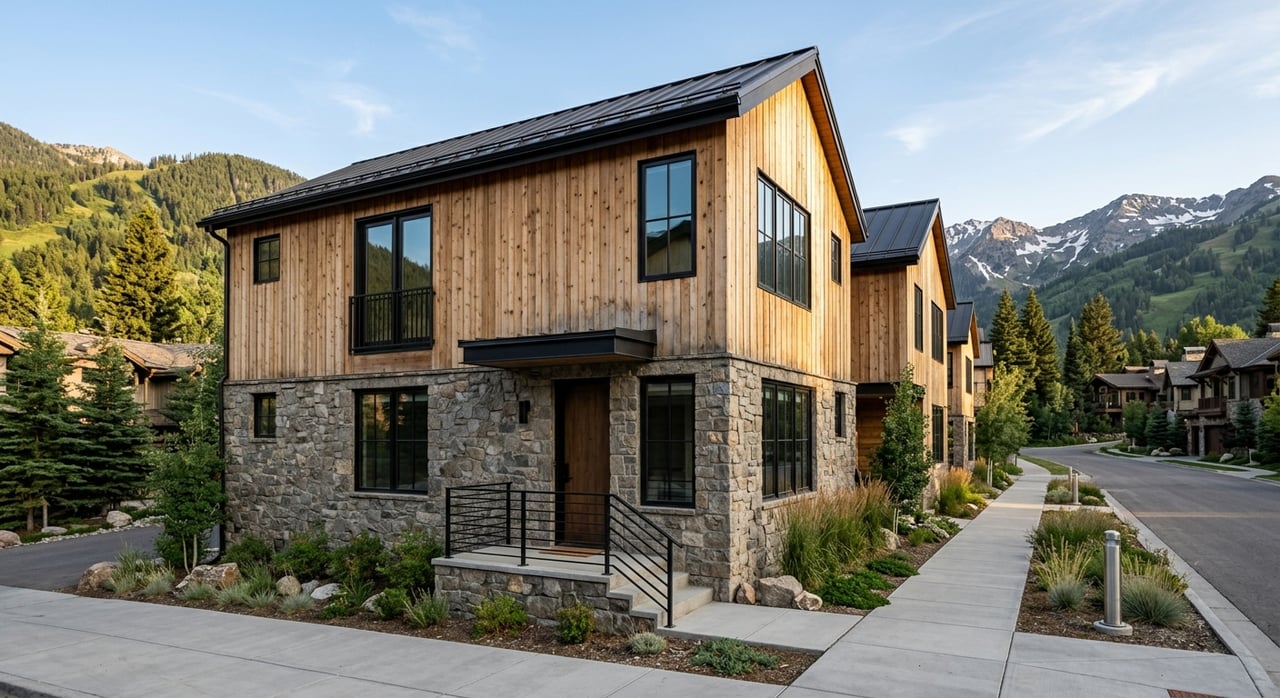
Because of that planning framework, the most walkable pockets are often linked with housing such as:
- Condominiums
- Townhomes
- Row-houses
- Upper-floor residences in mixed-use areas
- Smaller infill homes near downtown
The town’s comprehensive plan also points to Old Town, south of Main Street, as a residential area with a high concentration of older homes. Farther from the core, you are more likely to find single-family development that may offer a different lifestyle pattern with more driving.
What to expect from home search trade-offs
Walkable living in Carbondale can be appealing, but it usually comes with trade-offs. The most walkable homes may offer easier access to downtown, trails, and civic spaces, yet inventory can be limited.
That is especially true if you want a downtown-adjacent condo or townhome instead of a detached home farther out. Carbondale’s planning documents note a shift toward smaller, higher-density housing projects, but demand for well-located housing remains important context for buyers.
Affordability is also part of the story. Census QuickFacts reports a median gross rent of $2,167 and a median value of owner-occupied housing units of $900,600 in 2020 through 2024. The town’s Community Housing Plan states that much of the free-market housing stock is unaffordable to most residents, and the town has goals to expand deed-restricted, rent-capped, and town-owned housing over time.
Some destinations still favor wheels
It helps to go in with clear expectations. Carbondale supports a low-driving routine better than many small towns, but it does not put every amenity in one dense urban grid.
The town’s own planning documents note pedestrian-safety and connectivity concerns around Highway 133 crossings. Recreation is another example. North Face Park is a valued community asset with a skatepark, bike park, courts, a baseball field, and picnic space, but it sits on the edge of town and may be more practical to reach by bike, bus, or car depending on where you live.
This is why the park-and-walk label is the best fit. You can often walk a meaningful part of daily life, just not every single destination from every address.
Who tends to love this lifestyle
Carbondale’s walkable routine tends to work best for buyers who want a mountain-town setting with a real town center. If you like the idea of morning coffee, trail access, community events, and everyday errands happening within a compact area, Carbondale may feel like a strong match.
It can also appeal to buyers who want outdoor access woven into ordinary life, not saved only for weekends. On the other hand, if your ideal is a fully urban, car-free environment where nearly every service sits within a few blocks, Carbondale may feel more spread out than expected.
Why local guidance matters
In a town like Carbondale, walkability is not just about the town as a whole. It often comes down to the specific block, trail connection, and housing type.
A home that looks close on a map may live differently depending on access to Main Street, the Rio Grande Trail, Highway 133 crossings, or transit options. If you are comparing downtown-adjacent condos, older homes in Old Town, or single-family options farther from the core, local insight can help you match the property to your daily routine.
If you are thinking about buying or selling in Carbondale and want practical guidance on neighborhood feel, housing options, or market positioning, Monica Viall can help you make a confident next move.
FAQs
Is Carbondale, CO a truly walkable town?
- Carbondale is better described as a park-and-walk town. Many daily destinations cluster near downtown, while some other spots are easier to reach by bike, transit, or car.
What can you walk to in downtown Carbondale?
- In and around the core, you may be able to walk to coffee shops, restaurants, groceries, hardware, retail, the library, Colorado Mountain College, the recreation center, and community spaces like Third Street Center.
Which parts of Carbondale are most walkable for homebuyers?
- The most walkable areas are generally near Main Street, the Historic Commercial Core, the Rio Grande Trail, and parts of Old Town south of Main Street.
Does Carbondale have trails that support daily living?
- Yes. The Rio Grande ARTway and Crystal Valley Trail help connect recreation, errands, and movement through and beyond town.
Can you live in Carbondale without driving every day?
- For many residents, yes, at least part of the time. Free local transit and a compact core can reduce how often you need to drive, though most households will still likely use a car for some trips.
Are walkable homes in Carbondale easy to find?
- Walkable homes may be limited and competitive, especially if you want a condo, townhome, or downtown-adjacent property with easy access to the core.