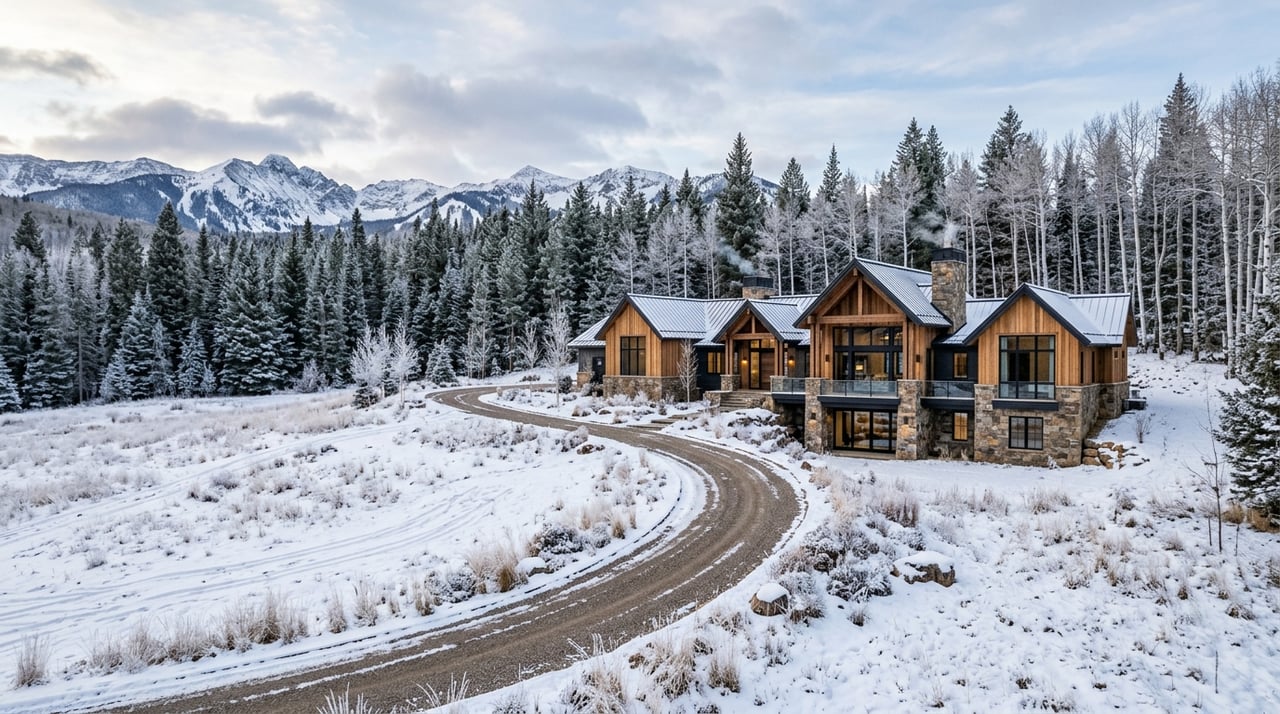
Dreaming about more land in Snowmass? Acreage can offer privacy, big views, and quick access to some of Colorado’s most remarkable outdoor spaces, but it also comes with a very different ownership experience than a typical in-town property. If you are considering a rural parcel or already own one, it helps to understand how roads, utilities, water, land-use rules, and winter conditions can shape daily life. Here’s what to expect so you can make smarter, more confident decisions. Let’s dive in.
Snowmass Acreage Feels More Rural Than Suburban
Around Snowmass, acreage living is best understood as rural Pitkin County living with resort access. Snowmass Village is surrounded by open space managed by Pitkin County, Aspen Skiing Company, and the U.S. Forest Service, which creates a setting that feels connected to nature rather than built out like a suburban community.
In unincorporated Pitkin County, lower-density residential use, ranching, agriculture, and open space are the preferred pattern outside the urban growth boundary. That means your land may offer a strong sense of space and seclusion, but it is also part of a broader conservation and land-management landscape.
Recreation Is a Major Part of the Appeal
For many owners, the setting is a big part of the value. The nearby White River National Forest and the Maroon Bells-Snowmass Wilderness help make this area a world-class recreation destination, with access to hiking, skiing, biking, and mountain scenery that define the Snowmass lifestyle.
That said, access to the outdoors is highly seasonal. Some overnight permit zones require advance reservations, and many trailheads and campsites remain snow covered from early October through late June. If you picture year-round backcountry access from your property, it is important to match that vision with local seasonal realities.
Road Access Can Shape Daily Life
One of the biggest differences with acreage ownership is that access is not always simple. Pitkin County notes that rural roads can be dusty, muddy, washboarded, or even impassable during bad weather, which can affect commuting, deliveries, construction, and emergency access.
You may need a four-wheel-drive vehicle, snowplowing service, or periodic road grading depending on your location. If your property is served by a private road or bridge, repair and maintenance costs can become a meaningful part of ownership, especially after storms or runoff events.
Even if you are on a county-maintained road, you should not expect to be plowed out immediately after every snowstorm. In a mountain setting like Snowmass, winter convenience often depends on planning ahead and understanding exactly who maintains the road to your property.
Utilities May Be Limited or Absent
Acreage owners in the Snowmass area often need to think more independently about basic services. Pitkin County generally does not support extending municipal water and sewer outside the urban growth boundary, so many rural properties rely on private systems instead.
Mail delivery, trash pickup, cell service, and internet reliability can also vary by location. Some homes rely on propane or solar rather than the kinds of utility setups you might expect in a more urban neighborhood.
This does not mean rural living is inconvenient by default. It does mean you should verify service levels early, especially if you work remotely, manage the property from out of town, or plan future improvements.
Water and Septic Need Careful Review
For most Snowmass-area acreage, water and wastewater are major due diligence items. If sewer service is not available, the property will need a county-approved onsite wastewater treatment system, often called an OWTS.
Pitkin County also requires an OWTS use permit before the sale of a property served by that kind of system. If you are buying, that makes the system’s history, condition, and compliance status especially important.
Water supply deserves the same level of attention. Colorado requires a permit for every new well that diverts groundwater, and Pitkin County requires building permit applicants to show adequate water supply for domestic use, fire protection, and irrigation if applicable.
The county also states that wells and OWTS systems must be separated by at least 100 feet. On a challenging site, that spacing requirement alone can affect where future improvements are even possible.
Land-Use Rules Matter More Than Many Buyers Expect
Buying acreage is rarely just about buying land. In Pitkin County, it is often also about understanding permitting, site review, and development limits before you close.
The county’s land development policies are designed to preserve rural character, and most development goes through a site-specific review process. During that review, the county identifies an activity envelope for structures, access, landscaping, and septic fields.
Work outside that activity envelope is typically prohibited. That means a large parcel does not automatically translate into unlimited flexibility, and not every parcel necessarily has the development rights a buyer assumes it does.
Setbacks and Protected Areas Can Limit Buildability
On acreage, the usable part of the site may be much smaller than the total acreage shown on paper. Pitkin County applies a 100-foot stream setback, and road setbacks vary by road classification.
For example, the county zoning page places Snowmass Creek Road in the 50-foot collector-street setback group. The county also states that development generally must stay out of floodplains, wetlands, riparian areas, and other protected zones.
These rules can affect building placement, driveway alignment, landscaping, and even whether an addition or guest structure is feasible. That is why site analysis is often just as important as the parcel size itself.
Wildfire Mitigation Is a Core Ownership Issue
In the Roaring Fork Valley, wildfire planning is now a central part of acreage ownership. Pitkin County says wildfire mitigation is mandatory, and wood shake and wood shingle roofs are prohibited throughout the county.
Local fire protection agencies may also require driveway modifications or a turnaround area to improve emergency access. In addition, Pitkin County’s wildfire mitigation regulations require a wildfire assessment report with permit applications.
For owners, this means the land around the house is not just a visual feature. Trees, defensible space, driveway access, and exterior materials can all play a role in what you can build, renovate, or maintain over time.
Rural Character Comes With Extra Property Rules
Mountain living often includes regulations that surprise buyers coming from urban or suburban markets. Pitkin County has lighting rules intended to reduce light pollution and preserve rural character, which can affect exterior fixtures and site design.
The county also regulates fireplaces and wood stoves through a registration process before a building permit is issued. If you are planning a remodel or new construction, these details should be part of your early planning, not an afterthought.
Weather is another practical factor. Pitkin County notes that snow can happen any time of year, conditions can change quickly, and visibility may be poor in blowing snow or fog. Comfort and access in this setting depend heavily on preparation.
Easements, Water Rights, and Wildlife Can Affect Ownership
Acreage ownership in Snowmass often involves more title and land-use complexity than a typical residential purchase. Conservation easements are common in Pitkin County, and they may or may not provide public access depending on the property.
You should also understand whether the parcel involves ditch rights, spring rights, mineral rights, or maintenance access for third parties. Pitkin County notes that water rights do not automatically transfer with land, and ditch water generally cannot be used without the relevant rights.
Wildlife habitat can create additional limits on development and use. The county also says landowners are responsible for controlling noxious weeds, and in some areas fences, dogs, and landscaping may be restricted.
Questions to Ask Before You Buy
If you are evaluating Snowmass acreage, asking the right questions early can save time, money, and frustration later. A thorough review should focus on how the property functions in real life, not just how it looks during a showing.
Consider asking about:
- Whether the parcel is inside or outside the urban growth boundary
- Which zoning district applies and whether prior approvals or development limitations affect buildability
- Who maintains and plows the road, and whether any bridge or culvert is private
- Whether the driveway can support construction vehicles and emergency access
- Whether there is a valid well permit and what water rights, if any, convey with the land
- Whether the water supply is adequate for domestic use, fire protection, and irrigation if applicable
- The age, inspection history, and permit status of the OWTS
- Whether a use permit or system upgrade may be needed at sale or before remodeling
- Whether conservation easements, trail easements, mineral rights issues, ditch rights, or spring rights affect the parcel
- What wildfire mitigation, lighting, landscaping, tree removal, and fireplace rules apply
- Whether nearby creeks, ditches, ponds, wetlands, or floodplain conditions create added setback or permitting issues
Why Local Guidance Matters
Snowmass acreage can be incredibly rewarding, but it works best when you approach it with a clear understanding of the property’s constraints and opportunities. What looks like a simple land purchase can function more like a small rural infrastructure and land-management project.
That is where local knowledge becomes especially valuable. When you understand roads, water, septic, wildfire, wildlife, and title issues before you commit, you are in a much stronger position to choose a property that truly fits your goals.
If you are considering acreage in Snowmass or anywhere in the Roaring Fork Valley, working with an experienced local broker can help you ask better questions, evaluate tradeoffs, and move forward with confidence. To schedule a consultation, connect with Monica Viall.
FAQs
What makes Snowmass acreage different from a typical residential lot?
- Snowmass acreage is often part of a rural Pitkin County setting with open space, seasonal access considerations, private infrastructure, and stricter land-use review than a typical in-town lot.
What should Snowmass acreage buyers know about road access?
- Buyers should confirm who maintains and plows the road, whether any bridge or culvert is private, and how the property performs during snow, mud, or storm conditions.
What utility issues are common on acreage near Snowmass?
- Rural properties may lack municipal water and sewer, and service for trash, mail, cell coverage, and internet can vary significantly by location.
What are the water and septic rules for Pitkin County acreage?
- Many rural properties rely on wells and county-approved onsite wastewater treatment systems, and buyers should verify permits, system history, required use permits, and site spacing requirements.
What land-use limits can affect a Snowmass acreage parcel?
- Activity envelopes, stream setbacks, road setbacks, floodplain rules, wetlands, and wildlife habitat protections can all reduce where you can build or improve a property.
What wildfire requirements should Snowmass acreage owners expect?
- Pitkin County requires wildfire mitigation, prohibits wood shake and wood shingle roofs, and may require driveway or turnaround improvements for emergency access.
Do water rights automatically transfer with land in Pitkin County?
- No. Pitkin County states that water rights do not automatically transfer with land, so buyers should confirm exactly what rights, if any, are included.