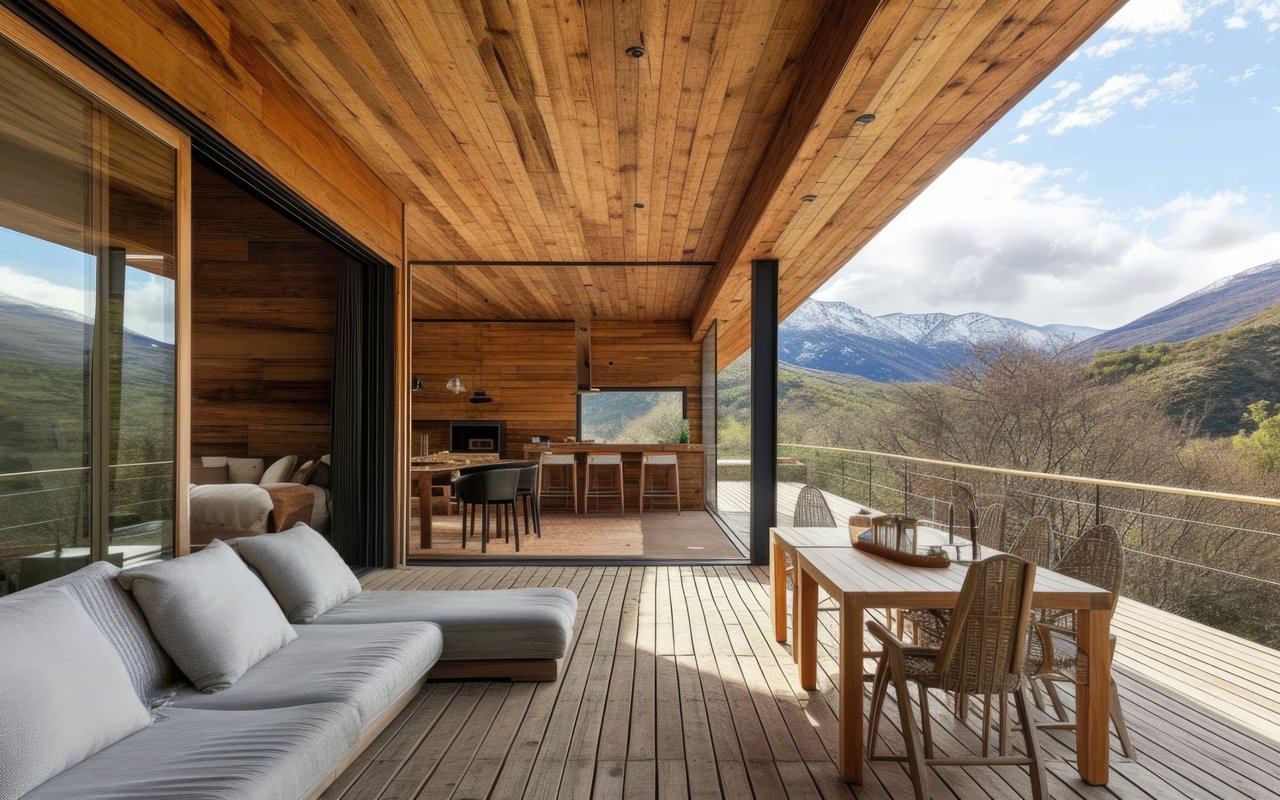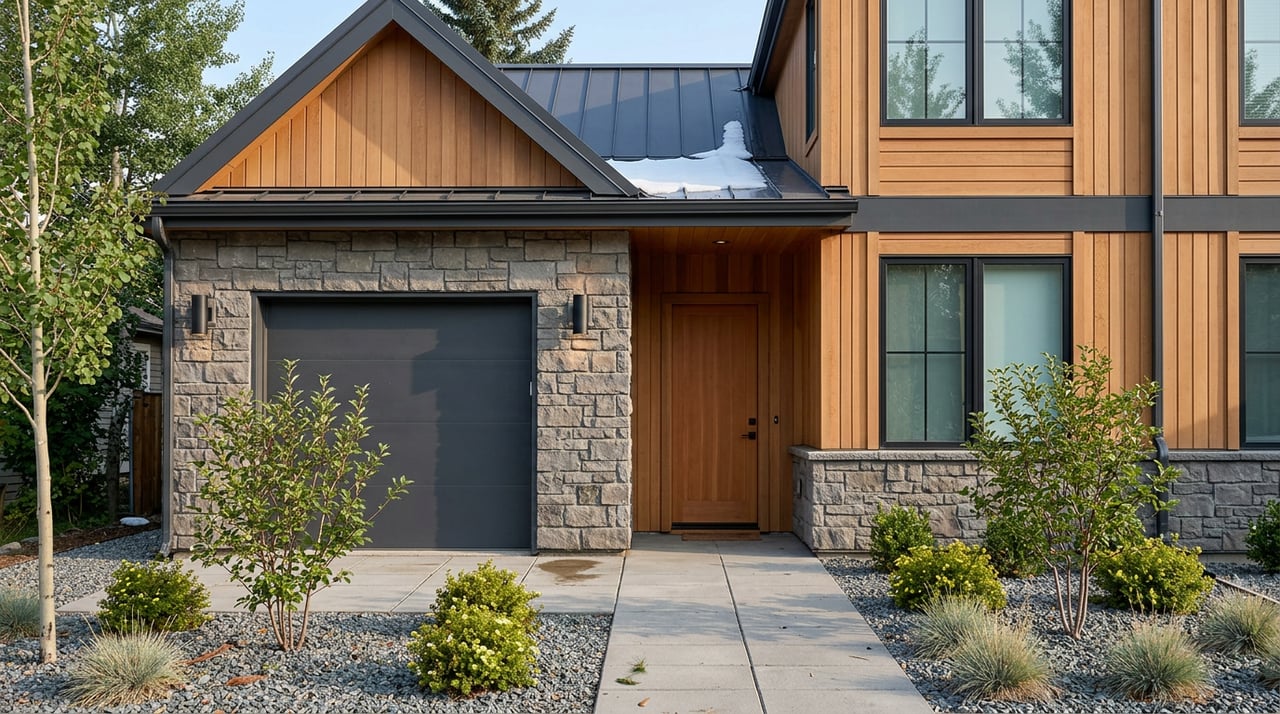
Torn between a house and a townhome in Glenwood Springs? You are not alone. The right fit comes down to how you want to live, what you want to maintain, and how you plan to use the property over time. In this guide, you will learn the core tradeoffs, real Glenwood examples, and a simple checklist to make the choice clear. Let’s dive in.
Glenwood market snapshot
Local price stats vary by source and time frame. Redfin’s February 2026 snapshot shows a city median sale price around $564,000. Realtor.com’s December 2025 snapshot shows a median listing price near $899,000. Different methods and mix create different numbers, so focus on current listings and the exact property type you want. The regional Aspen–Glenwood MLS also breaks out single‑family versus townhouse/condo medians, but it covers multiple towns and resorts, which can skew higher for non‑Glenwood areas. You can review the MLS producer report for context in the Aspen–Glenwood MLS market update (March 2025).
House vs. townhome: daily life
Maintenance and control
- House: You handle exterior paint, siding, roof, gutters, driveway, landscaping, and snow removal. Budget time and money for routine upkeep and bigger capital items. A simple rule of thumb is to set aside about 1 percent of the home’s value each year (older homes may need 1 to 3 percent). See guidance on maintenance budgeting from The Balance.
- Townhome: Many associations cover exterior building care, common landscaping, trash, and snow removal. Coverage depends on the CC&Rs and budget. Always confirm what the HOA fee includes in the listing and documents.
HOA fees and rules
- Expect a wide range. Townhome and condo HOAs often run $100 to $700 per month, with many Glenwood townhome examples in the $200 to $400 range depending on amenities and scope of coverage. For background on typical inclusions, read this HOA fee overview.
- Rules matter. Some associations set minimum rental lengths, parking rules, exterior standards, and pet policies. Colorado’s HOA office outlines required governance and disclosures under CCIOA. Review budgets, reserves, minutes, and policies using the Colorado Division of Real Estate HOA resources.
Financing and closing
- Fee-simple townhomes are often financed like single‑family homes. If a townhome is legally a condominium project, lenders may need project approval for FHA or VA loans, and conventional loans may apply “warrantability” rules. Ask your lender early and verify the property’s legal structure. Learn how condo project approval works from this FHA overview.
Insurance differences
- House: You typically carry an HO‑3 or HO‑5 homeowners policy that covers the structure and personal property.
- Townhome/condo: The association carries a master policy for common elements. You usually need an HO‑6 policy to cover interior finishes and personal property. Confirm master policy type, unit coverage, and deductibles before you bind your policy. Here is a clear primer on HOA master vs. owner policies.
Privacy and noise
- House: No shared walls and typically more separation from neighbors. Better if you want quiet, a workshop, or more control of your outdoor environment.
- Townhome: Shared walls and closer proximity. Quieter on maintenance responsibilities, but you may hear more neighbor activity. For a refresher on condo and townhome living differences, this townhouse vs. condo explainer provides general context.
Outdoor space and views
- House: Private yards are common in many Glenwood neighborhoods, sometimes with mountain or river vistas depending on location.
- Townhome: Often offers a small fenced yard, porch, or patio along with community open space. Some Glenwood townhomes highlight porches facing parks and red‑rock views, which can be a nice trade for less yard work.
Rental flexibility
- House: Fewer project‑level rental restrictions, though always review city and county rules.
- Townhome: HOA rules can limit rentals, including minimum stays. Review rental policies and any caps before you make an offer.
What you will see in listings
- Townhomes: Inventory can be thin at times. Recent examples include 2 to 3 bedroom layouts around 1,350 to 1,500 square feet with HOA dues roughly in the $200 to $355 per month band. Many include trash, landscaping, and snow removal. One Glenwood townhome community documented a 30‑night minimum rental rule, which is a helpful signal to read HOA bylaws closely.
- Single‑family homes: Prices span from the low to mid six figures into $1M plus depending on lot size, condition, and neighborhood. A recent 3 bed and 2 bath home around 2,100 square feet closed near $800,000, which is a good example of how private lots and yards can push totals higher.
These are snapshots. Always check the current MLS sheet for HOA inclusions, monthly dues, taxes, and the status of any special assessments.
Neighborhood and lifestyle fit
- Downtown and Riverfront: A mix of older homes, condos, and townhomes near restaurants, trails, and services. Good if you value walkability and quick access.
- West Glenwood, Timber Creek, Oakhurst, Cardiff Glen, Ironbridge: A blend of single‑family and townhome options. Proximity to Sunlight Mountain Resort, the Glenwood Hot Springs, and the Rio Grande Trail often shapes buyer priorities. For a feel of area amenities, browse the city’s Visit Glenwood Springs site.
Decision checklist
Use this list to pressure‑test your choice.
- Budget check: Add purchase price, mortgage, taxes and insurance, plus HOA dues if applicable, and a maintenance reserve (start with 1 to 3 percent of value for a house). A townhome’s HOA fee often offsets some exterior costs. For budgeting guidance, see this maintenance overview.
- Maintenance tolerance: Do you want to manage contractors, yard work, and snow removal, or would you rather pay a fee and have the association handle exterior and grounds? Confirm the “association fee includes” line.
- Privacy and layout: Do you need no shared walls, a fenced yard, or a larger workshop space? Some townhomes still offer attached garages, but yards tend to be smaller.
- Rental and flexibility: Will you ever rent the property? Check for rental caps and minimum stays in the HOA rules.
- Financing constraints: If considering a townhome, verify whether it is fee simple or a condominium project and ask your lender about condo project approval and warrantability. Review this FHA condo approval guide.
- HOA financial health: Request the budget, reserve study, year‑to‑date financials, delinquency rate, meeting minutes, and any announced or pending special assessments. Colorado’s HOA office lists governance and disclosure standards here: CCIOA resources.
- Insurance clarity: Ask for the HOA master policy declarations and deductible, then get a quote for your HO‑6 or HO‑3 so you understand your true monthly cost. Use this HOA insurance primer.
- Resale lens: Demand and appreciation vary by property type, age, and neighborhood. Review recent Glenwood Springs comps and the broader Aspen–Glenwood MLS context before you decide.
Documents to request
When you are serious about a property, gather these early.
- HOA: Current budget, last three years of financials, reserve study, last 12 months of meeting minutes, CC&Rs, bylaws, rental policy, management agreement, assessment history, master insurance declarations, and a delinquency summary. Find guidance on required HOA governance and disclosures via Colorado’s HOA resources.
- Property: Seller disclosures, any prior inspections, ages of roof and major systems, appliance details, and recent utility bills. Confirm what the HOA fee covers and whether any special assessments are planned.
Next steps
- Clarify financing: If a townhome interests you, ask your lender to confirm project eligibility now, not after you are under contract.
- Review the fine print: Read the HOA budget, reserves, rental policy, and master insurance declarations before you write an offer.
- Compare total monthly costs: Model mortgage, taxes, insurance, HOA dues, and a maintenance reserve side by side for a house versus a townhome.
If you want a clear, local read on Glenwood Springs neighborhoods and current inventory, connect with Monica Viall for a brief consultation. With 20 plus years in the Roaring Fork Valley and The Agency Aspen’s marketing reach, Monica will help you weigh tradeoffs and move forward with confidence.
FAQs
What are typical HOA fees for Glenwood Springs townhomes?
- Many local townhome communities fall in the $200 to $400 per month range, with outliers based on amenities and coverage. Always confirm the exact fee and what it includes.
Are Glenwood Springs townhomes eligible for FHA or VA loans?
- It depends on legal structure. Fee‑simple townhomes often are, while condo‑structured townhomes may require project approval. Ask your lender and review this FHA condo approval overview.
How do Colorado HOA rules and disclosures affect buyers?
- Colorado’s CCIOA framework requires HOAs to adopt governance policies and make key documents available. Review budgets, reserves, minutes, insurance, and any special assessments via the state HOA resources.
What insurance do I need for a townhome versus a house in Glenwood Springs?
- A house typically needs an HO‑3 or HO‑5 policy. A townhome or condo unit usually needs an HO‑6 that aligns with the HOA master policy and deductible. Learn more from this HOA insurance primer.
How should I budget for maintenance on a Glenwood Springs house?
- A common rule of thumb is to set aside about 1 percent of the home’s value each year, and older homes may need 1 to 3 percent. See this maintenance budgeting guide.