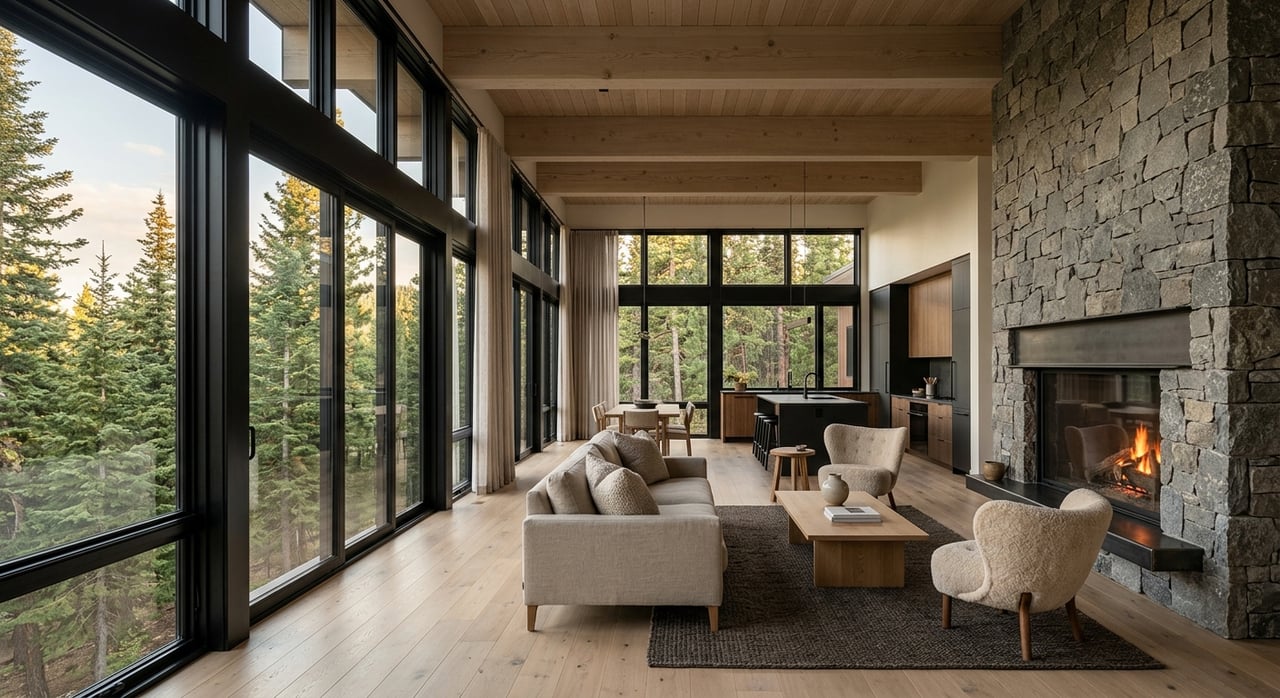
Wondering what it really takes to get your New Castle home ready for a long-term lease? Many owners assume it is just a quick clean-up and a lease template, but a strong rental launch takes more planning than that. If you want to protect your property, set clear expectations, and attract qualified interest, a little prep on the front end can make a big difference. Let’s dive in.
Start With the Right Lease Frame
If you are preparing a home in New Castle for a long-term lease, the first step is making sure you are thinking about it as a residential rental, not short-term lodging. The Town of New Castle defines short-term lodging as accommodations rented for less than 30 consecutive days. That means a lease beyond that window should be approached as a long-term residential arrangement.
This matters because your marketing, lease terms, utilities, and move-in process should all reflect a standard residential tenancy. Clear positioning from the start helps reduce confusion and sets better expectations for everyone involved.
Focus on Clean, Durable Presentation
When you get a home ready to lease, your goal is not high-end staging. Your goal is to present a property that feels clean, functional, and well cared for. Renters are usually looking for a home that is move-in ready and easy to maintain.
A practical refresh often includes:
- Paint touch-ups
- Patched wall dings or nail holes
- Deep cleaning throughout the home
- Repaired trim or fresh caulk where needed
- Working door handles and cabinet hardware
- Clean appliances
- Basic curb appeal, including tidy entryways and walkways
These updates may seem simple, but they send a strong message about upkeep. In a market like New Castle, where many renters are comparing value and condition, presentation can shape how quickly your home gets attention.
Check Systems Before You Market
Before you list the property, make sure the home’s major systems are working properly. That includes heating, plumbing, appliances, windows, doors, and locks. It is also smart to repair leaks, trip hazards, and other deferred maintenance items before a showing ever happens.
Colorado law places real importance on safe and healthy housing. For leases issued on or after January 1, 2025, required notice language and contact information for reporting uninhabitable conditions must be included in the lease. The law also sets short response windows after notice, including 24 hours for conditions that materially interfere with life, health, or safety and 72 hours for other uninhabitable conditions.
Because these requirements can affect how you prepare your lease and maintenance process, it is wise to talk with an attorney, CPA, or property manager for contract-specific guidance. A well-prepared home is only part of the job. A well-prepared lease file matters too.
Test Safety Devices Early
Before the first showing, test your smoke alarms and carbon monoxide alarms. This is a small task that can easily get overlooked, but it should be part of every rental-prep checklist.
If your rental will receive Section 8 Housing Choice Voucher or Project-Based Voucher assistance, updated smoke-alarm and carbon-monoxide standards apply, with noncompliant items needing correction within 24 hours. If that situation applies to you, confirm your setup early so there are no surprises later.
Prepare for New Castle Utilities
Utility planning is especially important in New Castle. The town provides water, sewer, trash, and recycling services, and its utilities page notes monthly billing, a due date on the 25th, and a Tenant Agreement Form. The town also reminds owners to complete utility-service paperwork promptly after closing.
Before move-in, decide exactly how utilities will be handled. If utilities will stay in your name, be passed through to the tenant, or be set up directly by the tenant, your lease should say so clearly. It should also spell out responsibility for trash, recycling, lawn care, snow removal, and any other routine property obligations.
Don’t Skip Seasonal Prep
In New Castle, seasonal maintenance can affect how smoothly a tenancy starts. The town specifically reminds residents to winterize irrigation and repair leaks before freezing weather, and that is useful guidance for rental owners too.
Before a tenant moves in, check:
- Sprinkler lines and irrigation controls
- Exterior faucets and hose bibs
- Outdoor leaks or drainage issues
- Walkways and entry areas that may need attention before winter
A little seasonal prep can help prevent service calls, property damage, and frustration once the lease is underway.
Build a Strong Condition Record
One of the smartest things you can do before handing over the keys is create a clear move-in condition record. Colorado guidance on security deposits notes that photos from move-in and move-out are very helpful when evaluating damage and distinguishing it from normal wear and tear.
A strong lease file should include:
- Dated move-in photos
- A written condition report
- Repair and maintenance receipts
- Appliance manuals
- Alarm test dates
- Disclosure forms
- Any written utility or maintenance agreements specific to the tenant
Good documentation protects both you and the tenant. It also makes the move-out process more organized if questions come up later.
Understand Key Colorado Deposit Rules
Security deposits are one area where owners should be especially careful. In Colorado, a landlord generally must return the security deposit, or provide a written explanation for any withholding, within one month after the lease ends or the property is surrendered. A lease can extend that timeline up to 60 days.
You also cannot keep a deposit for normal wear and tear. State guidance describes normal wear and tear as minor deterioration from ordinary use, not damage caused by negligence or abuse. Wrongful withholding can carry serious consequences, including treble damages, attorney fees, and court costs.
That is another reason your move-in documentation matters. Clear records can help support a fair and well-documented deposit process.
Include Required Disclosures
If your home was built before 1978, you must disclose any known lead-based paint or lead-based paint hazards before the tenant is obligated under the lease. You must also provide the federally approved lead-paint pamphlet. The Colorado Real Estate Commission form says landlords should keep a copy of that disclosure for at least three years.
Beyond that, make sure your lease package reflects current Colorado habitability requirements. If your lease starts on or after January 1, 2025, required safe-housing and repair-notice language should be included. Because landlord-tenant rules can be very fact-specific, review your paperwork with the right licensed professional if you have questions.
Write a Lease That Answers Everyday Questions
A good lease does more than state the rent amount. It should clearly explain how the tenancy will work day to day so there is less room for misunderstanding.
At a minimum, your lease should clearly cover:
- Rent amount and due date
- Security deposit terms
- Utility responsibility
- Trash and recycling expectations
- Lawn care and snow removal
- Parking rules
- Pet policies
- Smoking rules
- Maintenance request process
- Move-out expectations
If you are deciding between a fixed-term lease and a month-to-month setup, think through your goals before marketing the property. Colorado guidance notes that a month-to-month agreement generally requires at least seven days’ notice to terminate, while an at-will arrangement with no written lease generally requires at least three days’ notice. If a tenant violates the lease, a Demand for Compliance gives the tenant 10 days to cure the issue or move.
Avoid Fair Housing Pitfalls in Marketing
When you advertise a rental, keep the language neutral and focused on the property itself. Fair housing rules apply to rental advertising, and Colorado law includes broad protected classes. The safest approach is to describe the home’s features, condition, layout, and lease terms rather than trying to describe an “ideal” renter.
For example, focus on facts like bedroom count, outdoor space, parking, storage, lease length, and utility setup. Objective, feature-based copy is not only the safer approach, it is usually more effective.
Never Use Self-Help Enforcement
If problems arise during a tenancy, do not rely on lockouts, shutting off utilities, or other informal pressure tactics. Colorado tenant-help materials state that lockouts and utility shutoffs without a court order are illegal.
That is why it is so important to have a clear lease, good documentation, and a professional process from the beginning. If enforcement issues come up, handle them through the proper legal channels and with qualified advice.
How a Local Broker Helps
Getting a New Castle home ready for a long-term lease is part property prep, part documentation, and part market strategy. A local broker can help you price the home appropriately, present it well, market it through the right channels, coordinate tenant placement, and keep the process organized from start to finish.
That kind of guidance can be especially valuable in down-valley markets, where condition, seasonality, and local expectations all play a role in how a rental performs. With deep Roaring Fork Valley experience, Monica Viall helps owners approach leasing with a steady, well-informed plan.
If you are getting ready to lease out a home in New Castle and want hands-on guidance on pricing, presentation, and rental positioning, schedule a consultation with Monica Viall.
FAQs
What counts as a long-term lease in New Castle?
- In New Castle, short-term lodging is defined as accommodations rented for less than 30 consecutive days, so a rental beyond that is generally treated as a residential long-term lease.
What should a New Castle landlord fix before listing a home?
- You should make sure heating, plumbing, appliances, windows, doors, locks, and other core systems are working properly, and repair leaks, trip hazards, and visible maintenance issues before marketing the property.
What utility details should a New Castle lease explain?
- A New Castle lease should clearly state who is responsible for water, sewer, trash, recycling, and any other utilities, along with how billing or account setup will be handled.
What paperwork is required for an older rental home in Colorado?
- If the home was built before 1978, you must disclose known lead-based paint or hazards before the tenant is obligated under the lease and provide the approved lead-paint pamphlet.
How fast do Colorado landlords need to address serious repair issues?
- Colorado habitability law provides short response windows after notice, including 24 hours for conditions that materially interfere with life, health, or safety and 72 hours for other uninhabitable conditions.
How long does a Colorado landlord have to return a security deposit?
- In general, the deposit or a written explanation for withholding must be provided within one month after the lease ends or the property is surrendered, unless the lease allows up to 60 days.
Can a New Castle rental ad target a certain type of renter?
- No. Rental advertising should stay neutral and property-focused rather than describing a preferred renter, because fair housing rules apply to advertising.
What kind of support can a local broker provide for a New Castle lease?
- A local broker can help with pricing, property presentation, marketing, tenant placement, and keeping the leasing process organized, while legal and tax questions should go to the appropriate licensed professionals.