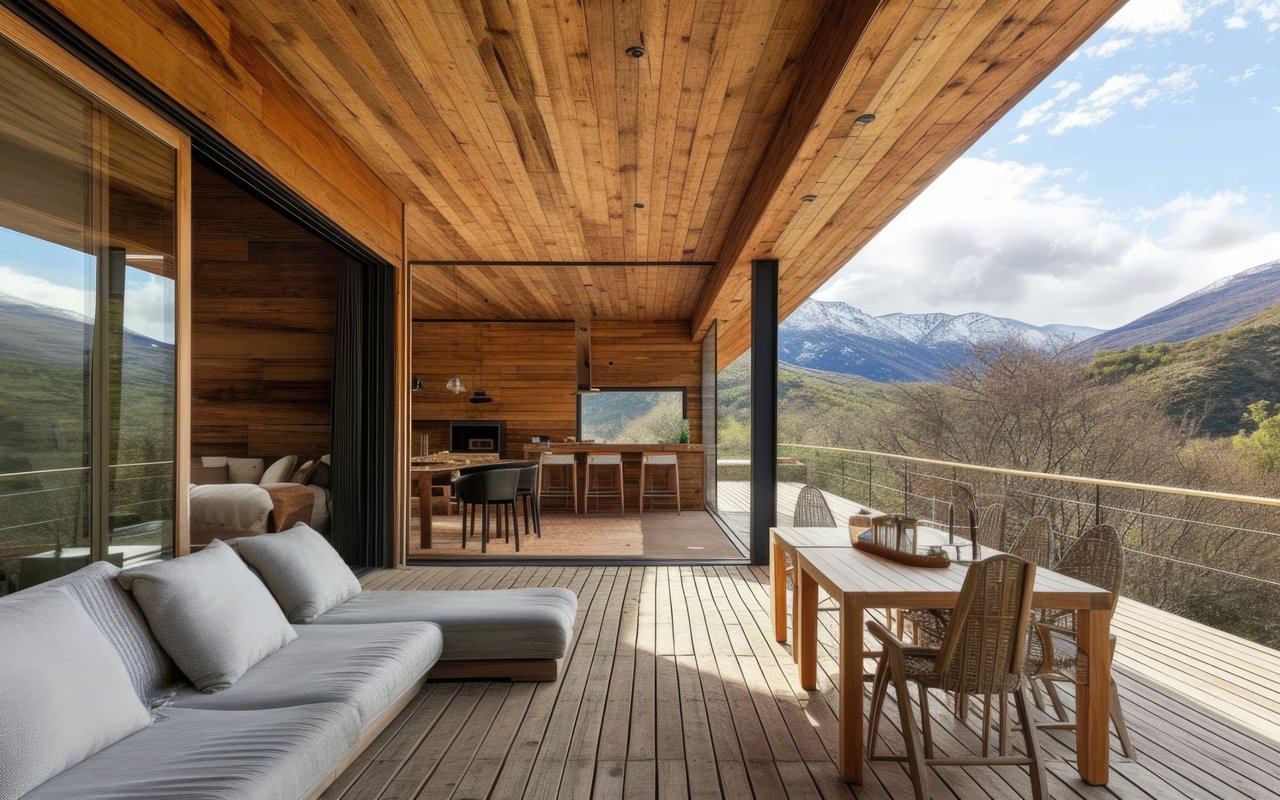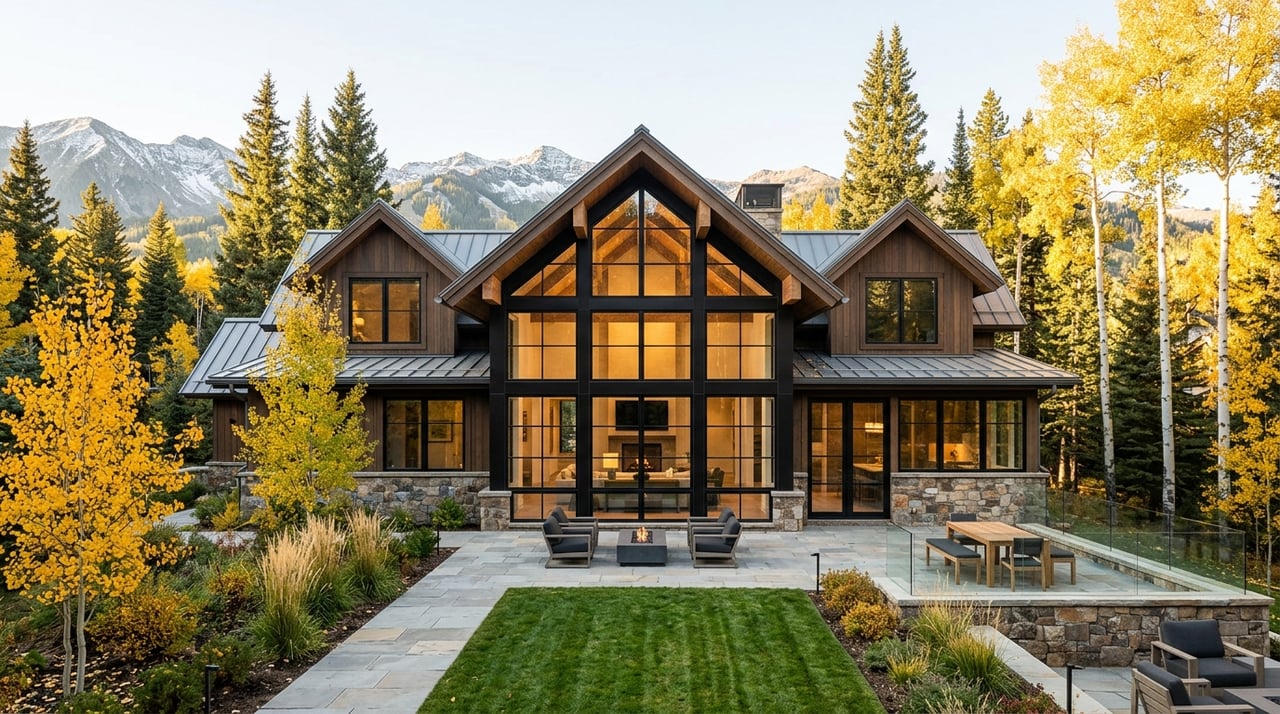
If you are buying a second home in Aspen, the biggest mistake is choosing by name alone. In a market this compact, a few minutes in either direction can completely change how you use the property, what rules apply, and how easy your visits feel. This guide will help you compare Aspen neighborhoods for lifestyle, access, privacy, and practical ownership details so you can narrow your search with confidence. Let’s dive in.
Why neighborhood choice matters in Aspen
Aspen is small, but it does not live small. The Aspen Chamber notes that you can walk from the east end to the west end in about 15 minutes, which means location choices are often less about distance and more about day-to-day experience.
That difference matters even more for a second home. You may only be in town for ski weekends, holiday stretches, or summer escapes, so the right neighborhood should support how you actually plan to use the home.
Another important detail is governance. Some areas that buyers think of as Aspen, including Red Mountain and East of Aspen, are outside Aspen city limits even though they are within the Aspen Urban Growth Boundary in unincorporated Pitkin County. Depending on the parcel, city and county rules can differ.
Start with your second-home priorities
Before you compare addresses, think about how you want Aspen to feel when you arrive. Most second-home buyers are deciding among a few core priorities.
Choose convenience for shorter stays
If you expect frequent long weekends or short ski trips, convenience usually rises to the top. In-town neighborhoods can make it easier to walk to dining, shopping, events, and the Silver Queen Gondola at Aspen Mountain.
For many buyers, that seamless use pattern is worth a lot. You can land in town, settle in, and spend more of your trip enjoying Aspen instead of coordinating every outing around a car.
Choose privacy for retreat-style living
If your second home is meant to feel like a true escape, privacy and views may matter more than walkability. In that case, hillside settings and larger parcels often become more appealing than being in the center of town.
This is where neighborhoods such as Red Mountain and some parts of East Aspen tend to stand out. They offer a more tucked-away feel while still keeping Aspen close by.
Choose practical access for everyday ease
Some buyers want a middle ground. You may not need to be in the middle of downtown, but you still want strong shuttle access, nearby trails, and a straightforward trip into town.
Close-in neighborhoods like Cemetery Lane, Hunter Creek, and Smuggler often fit that profile well. They can offer convenience without the same downtown setting.
Core and West End for walkability
If your second home is all about getting in, getting comfortable, and heading straight out on foot, the Core and the West End deserve a close look.
Downtown Core offers the easiest in-town access
The downtown core is Aspen’s most direct choice for walkability. It places you near restaurants, shops, events, and Aspen Mountain, with the pedestrian mall at the heart of downtown and the Silver Queen Gondola connecting town to the mountain.
For buyers who want ski-week efficiency, this is hard to beat. The base area also serves as a natural hub for dining and après, which makes the Core especially appealing if you want a lock-and-leave lifestyle centered on convenience.
Housing in the Core tends to be concentrated in condominiums, penthouses, mixed-use buildings, and historic structures. If low-maintenance ownership and a walk-first routine are high on your list, this area often makes sense.
There is one practical note to keep in mind. Aspen prohibits parking in the downtown core from 3 a.m. to 7 a.m., and snow season or special event rules can affect where vehicles may stay overnight.
West End blends proximity and residential calm
The West End is one of Aspen’s most established in-town residential areas. It is known for tree-lined streets, historic homes, and a quieter atmosphere while still sitting close to downtown.
This neighborhood often appeals to second-home buyers who want to walk or bike into town but prefer a more residential setting when they return home. The area is also tied to notable civic and cultural landmarks, including Aspen Meadows, the Aspen Institute, and the Wheeler/Stallard Museum campuses.
Architecturally, the West End includes Victorian and midcentury modern homes, and the neighborhood still reflects the pattern of Aspen’s original townsite. Historic irrigation ditches and alley access remain part of that character.
Historic review is a key West End consideration
If you are considering the West End or another historic property, review requirements should be part of your early due diligence. Aspen’s Historic Preservation Commission oversees designated properties and historic districts, and properties within historic districts are subject to design standards.
According to the city, exterior work and even some interior work may require review before work begins. If your second-home plan includes renovation, expansion, or design changes, this can affect both timeline and flexibility.
Red Mountain for views and privacy
Red Mountain is often the conversation starter for buyers seeking privacy, estate scale, and dramatic outlooks. It sits on Aspen’s north side and is known for elevated settings with expansive views over town and the valley.
This area is within the Aspen Urban Growth Boundary but outside Aspen city limits in unincorporated Pitkin County. That means ownership questions may involve county rules rather than city rules, depending on the property.
For second-home buyers, Red Mountain usually works best when the goal is a retreat experience. If you picture larger lots, more separation from neighbors, and a quiet arrival after time away, this neighborhood can be a strong fit.
The tradeoff is simple. You are typically driving rather than stepping out the door to the gondola, shops, or dinner reservations.
East Aspen for a residential setting
East Aspen, also called East of Aspen in planning materials, offers a more residential feel than the Core. It is less centered on commercial activity and often attracts buyers who want a quieter home base with strong access to outdoor recreation.
Like Red Mountain, East of Aspen includes areas outside city limits but inside the Aspen Urban Growth Boundary. That makes parcel-specific rule review important here as well.
What many buyers like about this side of Aspen is its connection to trails and outdoor movement. The area is linked to resources such as the Rio Grande Trail, Hunter Creek Extension, Marolt Bike Path, and East of Aspen Trail.
If you want your second home to support hiking, biking, and a less downtown-oriented routine, East Aspen can make a lot of sense. It is typically a better fit for buyers who do not mind driving or shuttling into the center of town.
Cemetery Lane, Hunter Creek, and Smuggler for balance
Not every second-home buyer wants the highest-profile address. Some want a close-in neighborhood that feels practical, connected, and easy to use across seasons.
That is where Cemetery Lane, Hunter Creek, and Smuggler come into the conversation. These neighborhoods are often more about convenience and everyday usability than headline appeal.
Hunter Creek supports car-light living
Hunter Creek benefits from year-round shuttle service, and the route also provides access to grocery shopping, the post office, and the Smuggler Mountain trail area. For owners who want easy movement without relying on a car for every stop, that can be a real advantage.
It is a useful option if you want quick access to town and recreation but do not need to be in the center of Aspen. For many second-home owners, that balance feels efficient and comfortable.
Cemetery Lane offers practical connections
Cemetery Lane also has year-round shuttle service. It is often considered by buyers who want straightforward access to downtown and to other everyday destinations in and around Aspen.
If your priority is an easy base for repeat visits rather than a purely destination-style setting, this area may deserve more attention than it usually gets.
Smuggler keeps you close to downtown
Smuggler is frequently described as one of the closest areas to downtown outside the Core and West End. That makes it appealing if you want to stay close to Aspen’s center without choosing a downtown address.
The area is also tied to the local recreation network through the Smuggler Mountain area. Depending on the property, the housing mix can offer a different ownership profile than some of Aspen’s estate neighborhoods.
Transit and trails shape daily life
One of Aspen’s biggest advantages for second-home owners is how many ways you can move around once you arrive. Local life is shaped by walking, free local shuttles, regional bus service, and a strong trail network.
RFTA and the City of Aspen provide neighborhood-specific and regional service across Aspen and Snowmass, with local routes serving areas such as Cemetery Lane, Hunter Creek, Galena Street, Aspen Highlands, Mountain Valley, and Cross Town. That network can make a real difference if you want to leave the car parked.
Trails also factor into neighborhood value in a practical way. Local and regional options include the 42-mile Rio Grande Trail from Aspen to Glenwood Springs, plus routes such as Hunter Creek, Marolt Bike Path, East of Aspen Trail, Smuggler Mountain, and Maroon Bells connections shown through local trail resources.
For some second-home buyers, this means the best neighborhood is not the one closest to a single destination. It is the one that best connects your home to the activities you plan to do most.
Check rental and rule differences early
If you plan to rent the home at times, even occasionally, confirm short-term rental rules before you narrow the search. In Aspen, short-term rentals are defined as rentals under 30 days and require a permit and business license.
The city limits owner-occupied permits to 120 nights per year and caps Classic permits in several residential zone districts. By contrast, the Commercial Core, commercial, and lodge zones have no limit on the number of STR-C permits.
This is one reason neighborhood choice and parcel location matter so much. If the property is outside Aspen city limits, the city states that you would need a Pitkin County short-term rental permit rather than an Aspen permit.
For second-home buyers, that means rental flexibility is not a side issue. It should be part of the neighborhood conversation from the start.
A simple way to narrow your search
If you are still comparing options, this framework can help simplify the decision.
Best for walkable stays
- Core: best if you want restaurants, shopping, events, and gondola access within easy reach
- West End: best if you want in-town proximity with a more residential and historic setting
Best for privacy and views
- Red Mountain: best if you want estate-style privacy and elevated valley views
- East Aspen hillside areas: best if you want a quieter retreat feel with recreation access nearby
Best for close-in practicality
- Cemetery Lane: best if you value straightforward local access
- Hunter Creek: best if shuttle service and everyday errands matter
- Smuggler: best if you want to stay near downtown with trail access close by
The right answer usually comes down to how you plan to use the home most often. A property that works beautifully for a two-week summer retreat may not be the best fit for frequent winter weekends.
Choosing the right Aspen neighborhood for a second home is about more than prestige. It is about matching your time in town to the setting, access, and ownership structure that will make the home easy and enjoyable to use year after year. If you want help comparing neighborhoods, reviewing parcel-specific considerations, or identifying the right fit for your lifestyle, Monica Viall can guide you through the Aspen market with local insight and hands-on support.
FAQs
What is the best Aspen neighborhood for a walkable second home?
- The Core is usually the most walkable option because it places you near restaurants, shops, events, and the Silver Queen Gondola, while the West End offers walkable proximity with a quieter residential feel.
What should second-home buyers know about Red Mountain in Aspen?
- Red Mountain is known for privacy, larger parcels, and expansive views, but it is outside Aspen city limits in unincorporated Pitkin County, so parcel rules may differ from properties inside the city.
How does West End historic preservation affect Aspen homeownership?
- In the West End and other historic areas, designated properties and historic districts may require review for exterior work and some interior work before changes begin.
Do Aspen short-term rental rules vary by neighborhood?
- Yes. Aspen’s short-term rental rules vary by zone district, and properties outside city limits require a Pitkin County permit instead of an Aspen permit.
Which Aspen neighborhoods offer good shuttle access for second-home owners?
- Cemetery Lane and Hunter Creek both have year-round shuttle service, and Aspen’s wider local and regional transit network also connects many neighborhood pockets to key destinations.
Is East Aspen a good fit for an Aspen second home?
- East Aspen can be a strong fit if you want a more residential setting with access to trails and outdoor recreation, and if you are comfortable with less walkability than the Core.