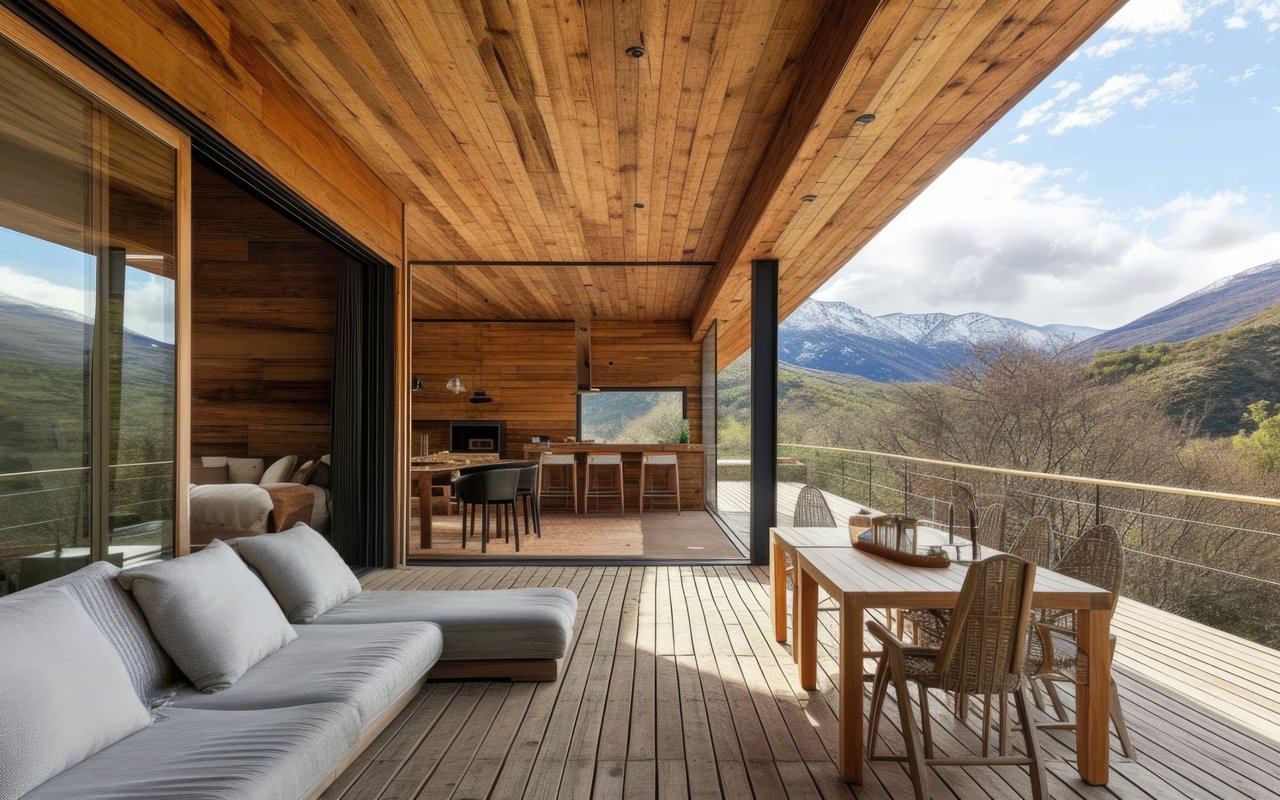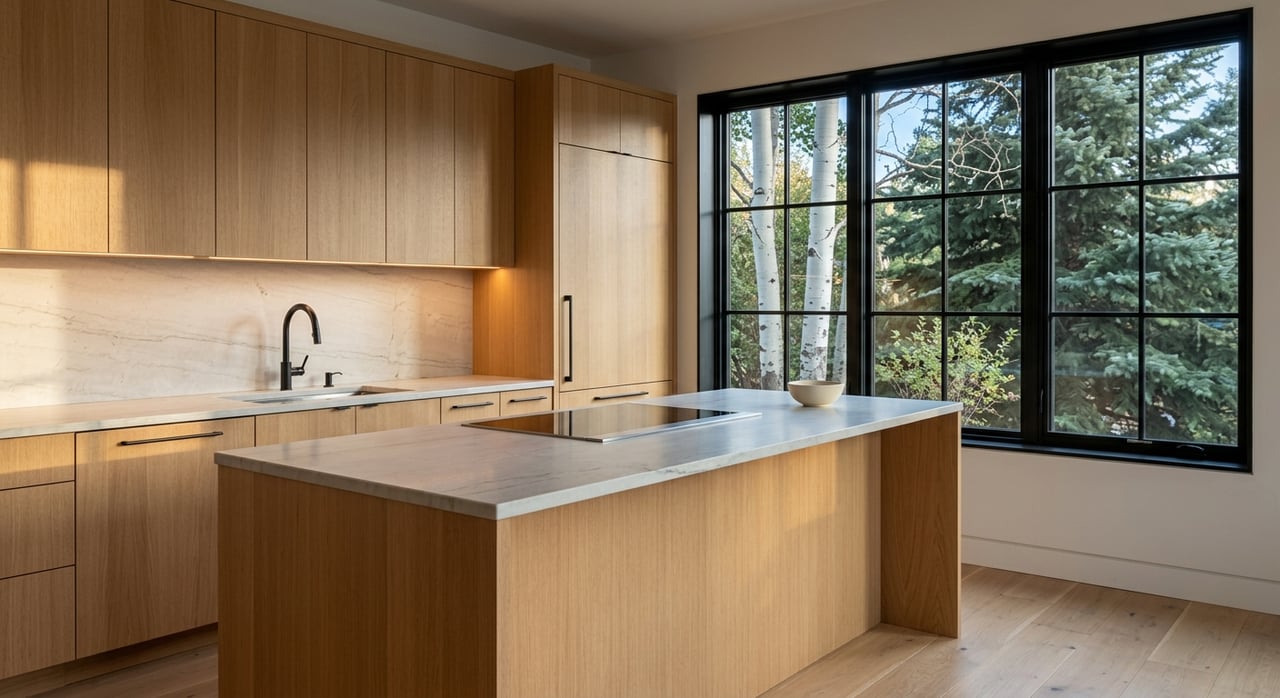
If you are looking at new construction in Carbondale, it helps to know that you are not just buying a brand-new home. You are also buying into a process shaped by local housing policy, building codes, permitting steps, and in some cases HOA rules or deed restrictions. The good news is that when you understand how the local landscape works, you can make a more confident decision and avoid surprises. Let’s dive in.
Carbondale new construction looks different today
New construction in Carbondale is not mostly about large new subdivisions on the edge of town. Based on the town’s planning documents, the pipeline leans more toward infill projects, townhomes, rental apartments, mixed-use development, and creative housing solutions such as accessory dwelling units.
That matters because your options may look different from what you would expect in other Colorado markets. Instead of choosing from many detached new homes, you may be comparing townhome phases, smaller-format residences, or projects with a community housing component built into them.
The town has also made attainable housing a clear priority. Carbondale’s 2023 Community Housing Plan set a goal of doubling deed-restricted, rent-capped, and town-owned housing units from 144 to 288 by 2032.
For you as a buyer, that means some new developments may include occupancy rules, price restrictions, or other conditions tied to affordability goals. Those details can be very important to review early, especially if you are weighing a home for personal use, seasonal use, or long-term investment.
Why local policy matters to buyers
Carbondale is in Garfield County, and that county-level context matters during due diligence. Records, housing rules, and property-related research may involve both town and county agencies depending on the property and stage of development.
The town’s housing plan also points to a meaningful affordability gap in the area, including a Garfield County area median income of $85,000 and a shortfall for households at 60% of AMI or below. That helps explain why some projects may not function like a typical open-market purchase.
If you are buying new construction here, it is smart to ask a simple question up front: Is this market-rate housing, deed-restricted housing, or a project with special use or ownership conditions? That one question can save you time and narrow your search quickly.
New homes may offer stronger efficiency features
One of the biggest differences between resale homes and new construction in Carbondale is the code environment. Carbondale adopted updated building regulations effective July 1, 2025, including the 2021 International Building Code, 2021 International Residential Code, 2021 International Energy Conservation Code, and Electric Ready and Solar Ready requirements for residential buildings.
In practical terms, newer homes may reflect stronger energy standards than older housing stock. The town’s 2025 code memo also says the goal was to maintain strong building efficiency and a net-zero direction while still being mindful of construction costs.
For you, this can translate into a different ownership experience. A newer home may include features or infrastructure that better support energy performance and future electrification compared with an older resale property.
That said, not every online checklist or permit packet reflects the newest standards. Some older PDFs still reference earlier code editions, so current requirements should be confirmed against the town’s updated 2025 ordinance.
Ask the right questions about site conditions
In mountain and valley markets, the home itself is only part of the picture. Site conditions can shape maintenance, comfort, and long-term planning in a big way.
Wildfire mitigation is one of the most practical topics to discuss with any new build. Carbondale & Rural Fire Protection District recommends defensible space of 30 feet or more around the home, along with fire-resistant materials and home-hardening measures.
If you are considering a newly built or nearly completed home, ask what wildfire-conscious features were used in the design, materials, and surrounding landscape. You can also ask whether the property has had a wildfire mitigation consultation.
Radon should also be part of your due diligence. Colorado says all of the state is high-risk for elevated indoor radon levels, and licensed professionals are required for radon measurement and mitigation.
For buyers, the takeaway is simple: a new home is not automatically a complete shortcut around testing and review. A modern build can still benefit from careful evaluation of the lot, the structure, and indoor environmental conditions.
Timelines are often longer than buyers expect
A resale closing and a new-construction closing do not move the same way. In Carbondale, the timeline can be shaped by plan review, permitting, utility coordination, inspections, and final occupancy requirements.
The town’s new-construction checklist shows just how document-heavy the process can be. Incomplete applications can trigger correction letters, contractors must be town-licensed, utility hookups are handled separately, and work in the right of way may require a street-cut permit.
This is why the phrase “delivery date” deserves a closer look. A home may be framed or nearly finished, but that does not always mean it is fully ready for occupancy.
In some situations, temporary occupancy may require a temporary certificate of occupancy agreement, a deposit, a backflow test report, and an improvement location certificate. That is a long way of saying that the final stretch matters just as much as the build itself.
Understand what stage the project is in
When you tour new construction, ask where the project stands in the process. That means more than asking whether the drywall is up or the finishes are installed.
You should understand whether the project is still in entitlement, permit review, active construction, inspection phase, or final occupancy stage. Each stage can affect your timing, your risk, and what kind of contract terms you may want to negotiate.
This is especially important if you are coordinating a sale, a lease end date, a relocation, or a seasonal move. A realistic timeline can help you plan housing, storage, financing, and travel with less stress.
Colorado contracts and contingencies still matter
With new construction, buyers sometimes assume the builder’s paperwork tells the whole story. In Colorado, DORA says a real estate offer must be in writing, and its consumer guidance emphasizes that contingencies are important for preventing misunderstandings.
That matters because a new-construction contract may involve different moving parts than a standard resale purchase. Depending on the property and transaction, buyers may need to pay close attention to timing terms, completion milestones, inspection rights, financing details, and any property-specific disclosures.
The goal is not to make the process feel more complicated than it needs to be. It is to make sure you understand what happens if timelines shift, finishes change, occupancy is delayed, or a project condition is not met as expected.
HOA review is a must for many new builds
A meaningful share of newer housing product in Carbondale may come with an HOA or shared community structure. If that is the case, due diligence should include more than monthly dues.
DORA recommends reviewing the declaration and CC&Rs, understanding common elements, confirming restrictions, and watching for possible special assessments. It also recommends confirming whether the association is registered.
For you, this review can affect everyday ownership. HOA rules may shape exterior changes, parking, rentals, maintenance responsibilities, and use of shared spaces.
Before you move forward, make sure you know what is included, what is limited, and what costs may extend beyond the purchase price. In a new-construction setting, those details can have a major impact on your budget and flexibility.
Builder warranty is not the same thing
Warranties are another area where buyers can make easy assumptions. A builder warranty is different from a home warranty or service contract, and the terms are not interchangeable.
According to the FTC, most newly built homes come with a builder warranty, while service contracts usually cost extra. Coverage is typically limited to specific components and time periods, and some warranties require mediation or arbitration if a dispute comes up.
If you are financing the home, warranty questions can also matter. The FTC notes that FHA- and VA-financed new construction may require third-party warranties, while Colorado law says a lender cannot require a home warranty service contract as a condition of financing.
The practical move is to ask for the warranty documents early and read them carefully. Pay attention to what is covered, what is excluded, how claims are made, and whether dispute resolution rules apply.
Your due diligence checklist for Carbondale
If you want to stay organized, focus on these core items before you commit:
- Confirm whether the home is market-rate or deed-restricted
- Ask what stage the project is in, from permit review to final occupancy
- Review estimated completion timing and what could delay it
- Verify what current building codes and energy standards apply
- Ask about wildfire-conscious materials and defensible-space planning
- Include radon testing and mitigation questions in your due diligence
- Review HOA documents carefully if the property is in an association
- Read builder warranty terms and compare them with any optional service contract
- Verify the licenses of the professionals involved in the transaction and related work
In a market like Carbondale, that checklist can help you compare properties on more than just price and finishes. It also helps you measure the real usability and risk of each opportunity.
Why local guidance matters in Carbondale
New construction in Carbondale can be exciting, but it is rarely simple. Between evolving codes, project timelines, housing policy, HOA review, and local site considerations, the details matter.
This is where local experience becomes valuable. When you work with someone who understands Roaring Fork Valley real estate, you are better positioned to ask sharper questions, spot issues early, and evaluate whether a new build truly fits your goals.
If you are exploring new construction in Carbondale and want calm, informed guidance tailored to your timeline and priorities, schedule a consultation with Monica Viall.
FAQs
What types of new construction are most common in Carbondale?
- Carbondale planning documents suggest the current mix leans more toward infill projects, townhomes, rental apartments, mixed-use development, and housing solutions such as ADUs rather than large greenfield subdivisions.
Why should Carbondale buyers ask about deed restrictions?
- The town has prioritized attainable housing, so some new projects may include deed restrictions, rent caps, or other occupancy and ownership conditions that can affect how you use the property.
What building codes apply to newer homes in Carbondale?
- Effective July 1, 2025, Carbondale adopted updated regulations including the 2021 International Building Code, 2021 International Residential Code, 2021 International Energy Conservation Code, and Electric Ready and Solar Ready requirements for residential buildings.
Why can a Carbondale new-construction closing take longer than expected?
- The timeline may depend on permit review, utility coordination, inspections, and final occupancy steps, not just construction progress, so a home that looks nearly done may still need additional approvals.
What should buyers review in a Carbondale HOA community?
- Buyers should review the declaration and CC&Rs, understand dues, common elements, restrictions, and possible special assessments, and confirm whether the association is registered.
How is a builder warranty different from a home warranty on new construction?
- A builder warranty usually comes with the newly built home and covers certain items for limited periods, while a home warranty or service contract is typically an extra-cost product with its own separate terms and limits.