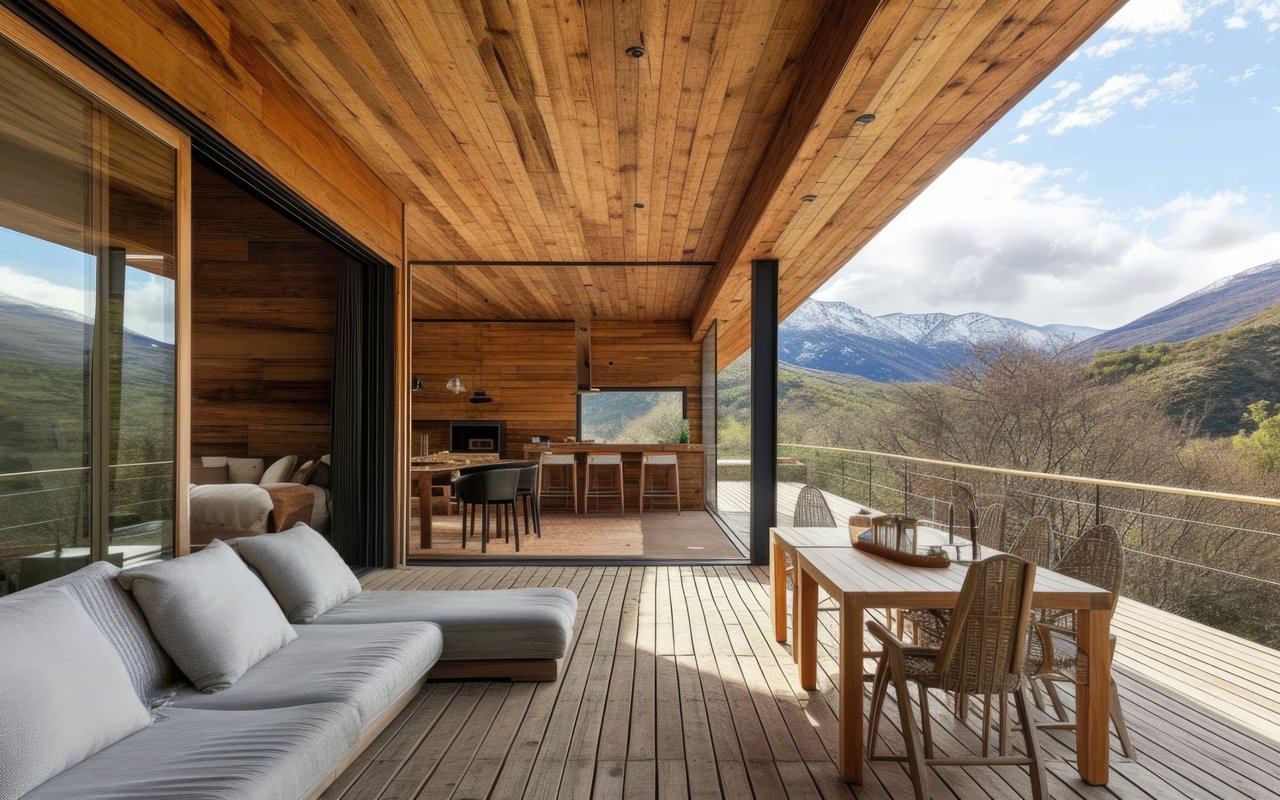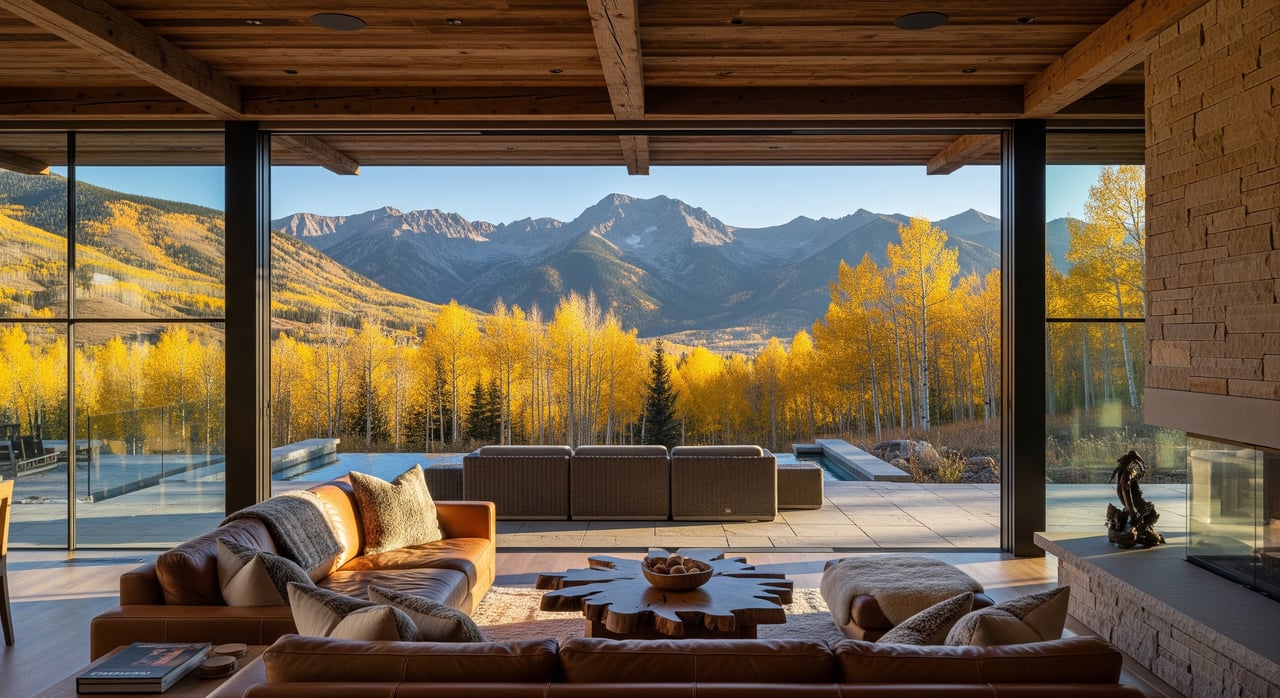
Dreaming of bluebird ski mornings and summer concerts, but not sure what second-home life in Aspen really looks like? You’re not alone. Many buyers want the lifestyle and stability of a mountain retreat, yet they also want a clear picture of costs, logistics, and rules before they commit. In this guide, you’ll learn what to expect across seasons, how to plan for expenses and insurance, what’s realistic with rentals, and how to run the home smoothly from afar. Let’s dive in.
Aspen market at a glance
Aspen is a small, ultra-luxury resort market with limited developable land and a long track record of premium pricing. Inventory is often tight, and well-priced homes can move quickly when presented well. Activity tends to peak around ski season and again in late spring and summer when buyers tour and close.
Prices vary by property type and location, but even condos are typically at luxury price points compared with national averages. Many buyers use jumbo financing or pay cash to move faster and keep terms simple. If you plan to finance, expect a more conservative underwriting process for second homes.
Seasonal living and lifestyle rhythms
Winter is peak season. Town is lively, services run at full capacity, and demand for short stays is highest. Flights, ground transport, and restaurant reservations are tight during holidays and major events.
Spring and early summer are quieter but active for real estate tours and closings. As trails open and snow melts, expect transitional maintenance like roof checks, gutter clearing, and landscape cleanup. Summer from late June through September brings a second busy season with festivals and outdoor recreation.
What your calendar looks like
- Winter: Heaviest usage and guest demand, with more congestion and higher service prices.
- Spring: Good window for inspections, contractor bids, and seasonal maintenance.
- Summer: Strong rental and visitor demand, plus the widest slate of cultural events.
- Fall: A shoulder season that suits upgrades, deep cleaning, and vendor scheduling.
Lifestyle tradeoffs
You get world-class outdoor access and a high-end dining and cultural scene. In return, you accept peak-season congestion and a higher cost of living for services and deliveries. If you want maximum privacy, outlying estates can deliver that, but you’ll plan for longer drives and more intensive operations like driveway snow removal.
Community and staffing realities
Like many resort towns, Aspen navigates workforce housing constraints. This can make year-round hiring for housekeeping or maintenance more difficult and more expensive. Many owners choose reputable agencies or property managers rather than employing full-time staff.
Real ownership costs
Your recurring costs include property taxes, HOA or building dues, and utilities. Colorado’s property tax structure differs from other states, and assessed values in Aspen are often high in dollar terms even when rates are moderate. Always review recent tax bills during due diligence.
If you buy a condominium or in a managed community, association fees may cover snow removal, common-area maintenance, building insurance, and sometimes utilities or shuttle services. Fees vary with amenity level. Utilities typically include electric, gas or propane, internet, water and sewer, and trash; winter heating costs can spike.
Seasonal maintenance is part of mountain living. Plan for winterization, snow removal, HVAC servicing, roof and gutter maintenance for snow loads, and wildfire defensible-space work around the property. Contractor lead times can stretch, especially before winter and during peak seasons, so booking early helps.
Insurance and climate risk
Insurance premiums and underwriting scrutiny have increased in parts of Colorado due to wildfire risk and broader insurer pressures. You may be asked to complete mitigation steps such as creating defensible space and adding ember-resistant features. If you plan to rent, confirm that your policy allows that use or add endorsements as needed.
Depending on your property, you may also consider flood, earthquake, or excess liability coverage. Start the quote process early during your contingency period to avoid surprises.
Financing and tax planning
Second-home loans are typically underwritten more conservatively than primary residence mortgages. Higher down payments, full income documentation, and product limits are common, and jumbo financing is standard for many Aspen price points. Cash buyers often choose speed and privacy.
Tax treatment depends on your personal profile and how you use the property. Mortgage interest and property tax deductions are subject to federal limits, and renting can shift your tax position to include expense deductions and depreciation. Engage a CPA who understands vacation and second-home rules so you can plan with confidence.
Local lodging or occupancy taxes apply when you rent. You’ll also collect and remit applicable taxes on paid services or stays. Build these into any income model.
Renting your home: rules and revenue
Aspen’s peak rental demand aligns with winter ski season and summer festivals. Luxury homes with prime locations and amenities can command premium nightly rates when marketed and managed well. Net income depends on occupancy, pricing, management quality, and costs.
Common expenses include management fees that are often a percentage of gross revenue, plus cleaning and turnover, utilities during stays, repairs, insurance endorsements, and taxes. Professional management can boost bookings and guest experience, but you should model fees and services in detail.
Local regulations matter. Pitkin County and the City of Aspen regulate short-term rentals with licensing, inspections, and tax compliance requirements. HOA rules may limit length or frequency of rentals or require approved operators. Confirm all permitted uses during due diligence, and do not assume you can rent without registering and following the rules.
Noncompliance can lead to fines, forced delisting, or other penalties. Ask for clear written guidelines and verification before you buy.
Day-to-day operations
Full-service property managers can handle guest booking, housekeeping, maintenance requests, and concierge services, including pre-arrival provisioning and private chef coordination. Contract terms vary, and some managers handle marketing in-house for a larger fee. Evaluate service scope, response standards, and reporting.
Many owners prefer agency-based services instead of hiring staff directly, since local housing costs make year-round employment complex. If you plan to employ full-time staff, consider housing options, payroll, liability coverage, and any required work authorization.
Maintenance planning pays off. Winterize systems during long vacancies, install remote monitoring for leaks and temperature, and service HVAC well before the first cold snap. Keep fuel levels up if you use propane, and establish an emergency protocol that defines who can approve repairs, where keys are stored, and how to access the property quickly.
Supply chain timing can impact upgrades and renovations. Permitting and inspections add time, and luxury materials often ship from outside the region. Build in generous lead time for design, orders, and approvals.
Travel and access logistics
Aspen/Pitkin County Airport offers year-round service with routes that expand seasonally, plus strong private and charter traffic. Seats sell out during holidays and events, so plan ahead. Many high-end owners rely on private aviation for flexibility.
Highway 82 provides road access from Glenwood Springs and the I-70 corridor. Winter storms or highway incidents can cause delays, so build extra time into travel plans during peak periods. Car rentals and ground transport can be scarce and more expensive around major weekends.
Zoning and supply context
Local planning and zoning limit density in many areas, and significant parts of the valley have conservation or environmental constraints. Topography also reduces developable land. This scarcity supports premium pricing for existing homes.
Workforce and deed-restricted housing programs help retain local employees and keep some inventory out of the market-rate pool. Be aware of these programs and any nearby deed-restricted developments as part of your due diligence. Understanding community context will help you anticipate long-term trends.
How a local advisor adds value
A seasoned agent gives you an edge from the first conversation. You get guidance on permitted uses, rental viability, HOA covenants, and any access easements or rights that affect value. Your advisor can coordinate inspections specific to mountain properties, including roof and snow load, HVAC, chimney, plumbing freeze points, septic systems if present, and wildfire defensibility.
Vendor introductions are critical. The right team includes property managers, concierge operators, insurance and estate brokers with Aspen experience, local tax advisors, and trusted contractors. A strong local network reduces risk and speeds up solutions.
Operational planning turns a beautiful retreat into a hassle-free one. Your advisor can help estimate true carrying costs, model rental income with realistic occupancy and rates, and prepare checklists for winterization and owner absence. Market intelligence on off-market opportunities, seasonal timing, and negotiation norms can also improve your outcome.
Getting started: your next steps
- Define your primary use: personal retreat, mixed-use with rentals, or long-term hold.
- Set financing and tax strategy early with a jumbo-savvy lender and CPA.
- Identify preferred property types and locations based on lifestyle and operations.
- Model ownership costs and rental scenarios with conservative assumptions.
- Confirm STR rules and HOA policies before you write an offer.
- Build your on-the-ground team for management, maintenance, and emergencies.
When you are ready to explore Aspen and the Roaring Fork Valley, work with a local advisor who pairs boutique, hands-on service with strong market reach. With 20-plus years in the valley and The Agency Aspen platform, Monica Viall helps you move from curiosity to clarity with confidence. Schedule a consultation to start your search on solid footing.
FAQs
Can I rent an Aspen second home when I am not using it?
- Possibly, but it depends on local licensing rules, HOA policies, property location and amenities, and management quality; verify regulations and model net income including all fees and taxes.
What maintenance costs should Aspen second-home owners expect?
- Expect higher seasonal pricing and plan for snow removal, winterization, HVAC servicing, roof and gutter upkeep for snow loads, wildfire defensible-space work, and vendor lead times.
How challenging is wildfire-related home insurance in Aspen?
- Insurability and premiums vary by property condition and exposure; mitigation measures like defensible space and ember-resistant features can help, so start quotes early in due diligence.
How reliable is travel to Aspen during winter?
- The local airport offers year-round service but peak holidays sell out, and Highway 82 can face weather delays; build flexible schedules and book transport early.
Should I pay cash or use jumbo financing for an Aspen home?
- Many buyers pay cash for speed and privacy, while others use jumbo loans with higher down payments and stricter underwriting; align the choice with your liquidity and tax plan.