Thinking about adding an accessory dwelling unit to your Carbondale property? You are not alone. ADUs can provide flexible space for family, a steady long-term rental, or a smart way to boost a property’s utility. The rules can feel complex, especially with mountain-town considerations like wildfire mitigation, septic capacity, and snow access. This guide gives you clear, local basics on ADU types, approvals, parking, utilities, timelines, and a step-by-step plan to get started in Carbondale and Pitkin County. Let’s dive in.
ADU basics in Carbondale
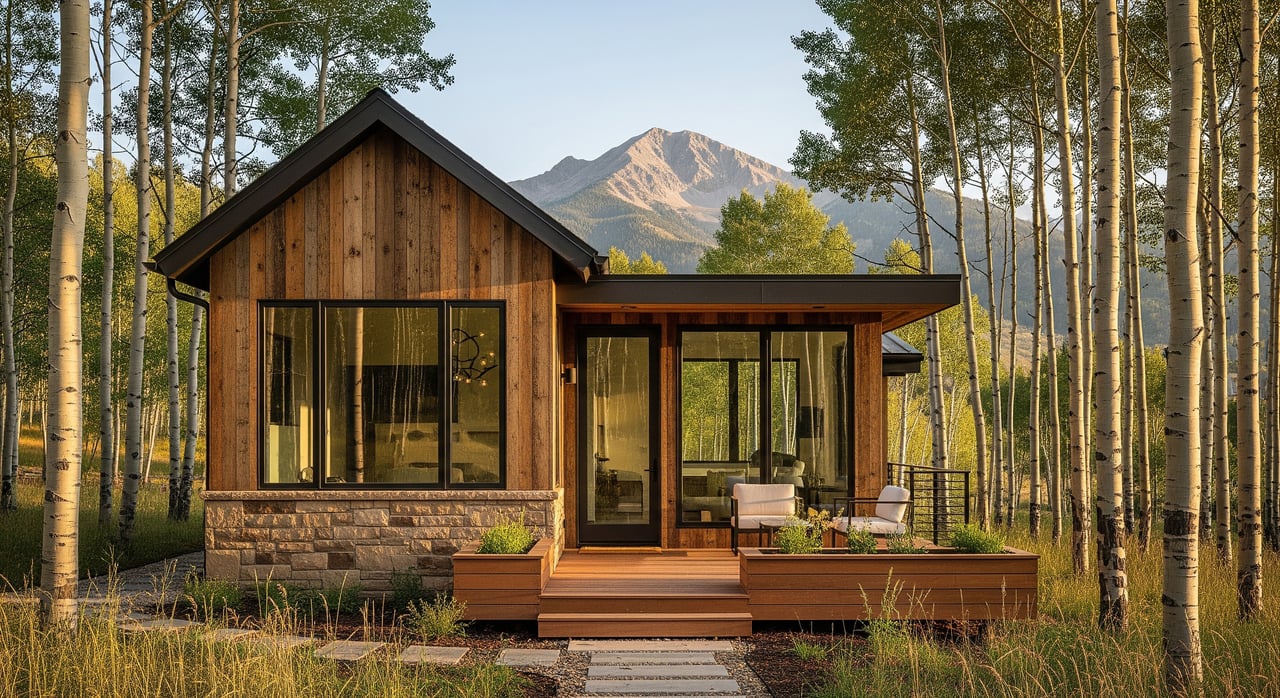
An accessory dwelling unit is a secondary, self-contained home on the same lot as a primary residence. It has its own sleeping, cooking, and bathroom facilities and a separate entrance. Common formats include detached cottages, attached additions, and internal conversions like basements or upper floors. Some places also allow smaller junior ADUs with limited size and shared systems.
People often use an ADU for long-term rental income, multigenerational living, or flexible work space that can be rented later. An ADU is different from a shed or garage without living facilities. It is also different from a short-term rental. Short-term use may be limited or require permits. Always confirm current local rules before planning a rental strategy.
Zoning and approvals to expect
Start by confirming that your property’s zoning allows an ADU. In some zones ADUs are allowed by right. In others you may need a conditional use permit or site plan review. Minimum lot size, lot coverage, setbacks, and height limits all shape what you can build.
Overlay districts can add extra steps. Examples include historic areas, floodplains, critical wildlife habitat, and hillside or ridgeline protections. Parcels that straddle jurisdictions may have additional review. The typical process starts with a pre-application meeting, then moves into land-use or building permit review based on your plan.
Building and safety requirements
Your ADU must meet building codes for structural, electrical, plumbing, and mechanical systems. Most projects follow the International Residential Code as locally adopted. Expect inspections at foundation, framing, electrical, plumbing, and final sign-off.
Fire safety is a priority. Plan for smoke and carbon monoxide alarms, proper egress windows or doors, and fire separation between units for attached ADUs. In mountain communities, wildfire mitigation and defensible space are also emphasized. Choose ignition-resistant materials where appropriate and confirm access standards for emergency vehicles.
Utilities, septic, and water planning
If your home uses town water and sewer, you may need water and sewer tap or capacity fees. You might also address separate metering or submetering for billing. If your property uses a private well or septic system, Pitkin County Public Health will determine whether your system can support an additional unit.
Septic capacity often depends on the number of bedrooms. Adding bedrooms for an ADU can trigger a system upgrade or replacement, especially on older systems. Plan utility connections early, including any required grease or interceptor rules for a full kitchen.
Parking and access in mountain conditions
Local parking rules vary. Some towns require one or more off-street spaces per ADU. Others reduce or waive requirements, especially near the town core or transit. Ask staff to confirm what applies to your address.
On-site layout matters. Make sure you can add parking without violating setbacks or lot coverage. Think about winter conditions. Shared driveways, snow storage, turning radius, and emergency access are common review items for mountain parcels.
Occupancy, rental use, and short-term stays
Occupancy limits depend on building code and local standards, often tied to bedrooms and square footage. Septic capacity can also limit how many people can live in a unit at one time.
Short-term rental rules are specific to each jurisdiction and can change. Some places require business licenses or prohibit short-term rentals in accessory units. Confirm Carbondale’s current policy before marketing an ADU as a vacation rental. Some towns also require the owner to live on the property in either the primary residence or the ADU. Verify whether owner-occupancy applies to your lot.
Fees, taxes, and addressing
Budget for development and impact fees. Line items can include building permits, water and sewer taps, school or transportation fees, and plan review charges. These vary with the scope of work and location.
An ADU can change your assessed value and property taxes. Rental income has tax implications too. It is smart to discuss these with a tax professional. Ask the Town whether your ADU can receive a separate address and how utilities can be billed.
Environmental and site constraints
Mountain lots can trigger special reviews. You may face wildfire mitigation and defensible space work if your property is in the Wildland-Urban Interface. Properties near creeks or rivers may face riparian setbacks and floodplain rules tied to the Roaring Fork watershed.
Tree protection, geologic hazards, and slope stability can also shape a design. Early due diligence helps you avoid surprises and choose the right ADU type for your site.
Cost drivers and a realistic timeline
Timelines vary with design and review needs, but a typical path looks like this:
- Pre-application and early inquiries: about 2 to 6 weeks.
- Design and plan preparation: about 4 to 12 or more weeks.
- Permit review: about 2 to 12 weeks, depending on land-use requirements.
- Construction: several months for internal or attached ADUs, and 6 to 12 or more months for detached units.
Major cost drivers include design and permitting, utility taps or septic upgrades, foundation and structural work, fireproofing and defensible space, site work like driveways or retaining walls, and separate utility infrastructure if you choose it. Choosing an internal conversion can reduce site work, while a detached unit usually adds time and cost.
Step-by-step: where to start
Use this simple checklist to move forward with confidence:
Confirm zoning and overlays. Ask the Town of Carbondale Planning Department for your zoning, lot size, and any overlay maps that apply to your parcel.
Schedule a pre-application meeting. Share your concept and ask whether an ADU is allowed, what approvals apply, and what standards you need to meet.
Verify utilities and septic or well capacity. If you use septic or a private well, coordinate early with Pitkin County Public Health. If you use municipal services, ask the Town about tap, capacity, and metering requirements.
Review parking and access. Confirm off-street parking needs and driveway or curb-cut rules. Plan for winter access, snow storage, and emergency vehicles.
Map the building-permit path. Request the building-permit submittal checklist, plan review timelines, and inspection steps from the building department.
Check HOA rules. If you are in an HOA, confirm whether CC&Rs limit ADUs, rentals, or exterior changes.
Assemble your team. Consider hiring an architect or designer familiar with Carbondale and Pitkin County codes, a local contractor experienced with ADUs and mountain conditions, and a surveyor for site and setback verification. Consult an attorney or tax advisor if you have ownership or tax questions.
How buyers and sellers use ADUs here
If you are a homeowner, an ADU can unlock space for extended family or steady long-term rental income. Internal conversions or attached additions can be cost-effective if your lot is tight or in an overlay area. Detached units can add privacy and value, but they usually require more time and budget.
If you are an investor or buyer, evaluate parcels for ADU potential early. Look at zoning allowances, utility and septic capacity, parking, and access. A pre-application conversation can clarify whether the lot can support the unit you have in mind. If you plan to rent, confirm local policies for long-term and short-term use.
Sellers can also benefit. Clear, verified ADU potential can broaden your buyer pool. Present concept sketches, a zoning check, or a pre-app summary so prospects see what is feasible. Be careful to avoid promising approvals. Keep the message factual and tied to what staff has confirmed.
Work with a local advisor
ADUs reward good planning. With mountain-town factors like wildfire mitigation, winter access, and septic capacity, local context matters. If you want help evaluating ADU potential before you buy, or if you are ready to assess options on your current property, connect with a trusted local advisor who knows the Town process and the valley’s terrain. For a grounded, step-by-step plan tailored to your goals, reach out to Monica Viall to schedule a consultation.
FAQs
Is an ADU allowed on my Carbondale lot?
- Check your zoning and any overlay districts, then schedule a pre-application meeting with Town planning staff to confirm whether an ADU is allowed and what approvals apply.
Do I need extra parking for an ADU?
- Parking requirements vary by zone and ADU size. Ask Town staff for the number of off-street spaces required and confirm driveway layout, snow storage, and emergency access.
Will my septic system support an ADU?
- If you are on septic, Pitkin County Public Health will determine whether your current system can handle the added bedrooms or flow. Older systems may need upgrades or replacement.
Can I rent my ADU short-term?
- Short-term rental rules are local and can change. Confirm Carbondale’s current policy, licensing, and any limits on using accessory units for short-term stays.
Do I have to live on the property if I add an ADU?
- Some towns require owner occupancy in either the main home or the ADU. Verify the current policy for your address during your pre-application meeting.
How long does approval and construction take?
- Expect several weeks for pre-application and design, 2 to 12 weeks for permit review, and several months for construction. Detached units often take longer than internal conversions.
Will an ADU raise my property taxes?
- An ADU can increase assessed value. For property tax and rental income implications, consult a tax professional and review county assessor guidance.
What inspections should I expect?
- Typical inspections include foundation, framing, electrical, plumbing, mechanical, and final. Attached units may also require fire separation assemblies to meet code.